feedzop-word-mark-logo
searchLogin
Feedzop
homeFor YouIndiaIndia
You
bookmarksYour BookmarkshashtagYour Topics
Trending
Terms of UsePrivacy PolicyAboutJobsPartner With Us

© 2026 Advergame Technologies Pvt. Ltd. ("ATPL"). Gamezop ® & Quizzop ® are registered trademarks of ATPL.

Gamezop is a plug-and-play gaming platform that any app or website can integrate to bring casual gaming for its users. Gamezop also operates Quizzop, a quizzing platform, that digital products can add as a trivia section.

Over 5,000 products from more than 70 countries have integrated Gamezop and Quizzop. These include Amazon, Samsung Internet, Snap, Tata Play, AccuWeather, Paytm, Gulf News, and Branch.

Games and trivia increase user engagement significantly within all kinds of apps and websites, besides opening a new stream of advertising revenue. Gamezop and Quizzop take 30 minutes to integrate and can be used for free: both by the products integrating them and end users

Increase ad revenue and engagement on your app / website with games, quizzes, astrology, and cricket content. Visit: business.gamezop.com

Property Code: 5571

Home / Health / Alzheimer's Blood Tests: Track Changes Over Time

Alzheimer's Blood Tests: Track Changes Over Time

18 Dec, 2025

•

Summary

  • Tracking protein biomarker shifts over time is more accurate than single tests.
  • Obesity and kidney function can impact the reliability of Alzheimer's blood tests.
  • New FDA-cleared blood tests aid in diagnosing Alzheimer's earlier.
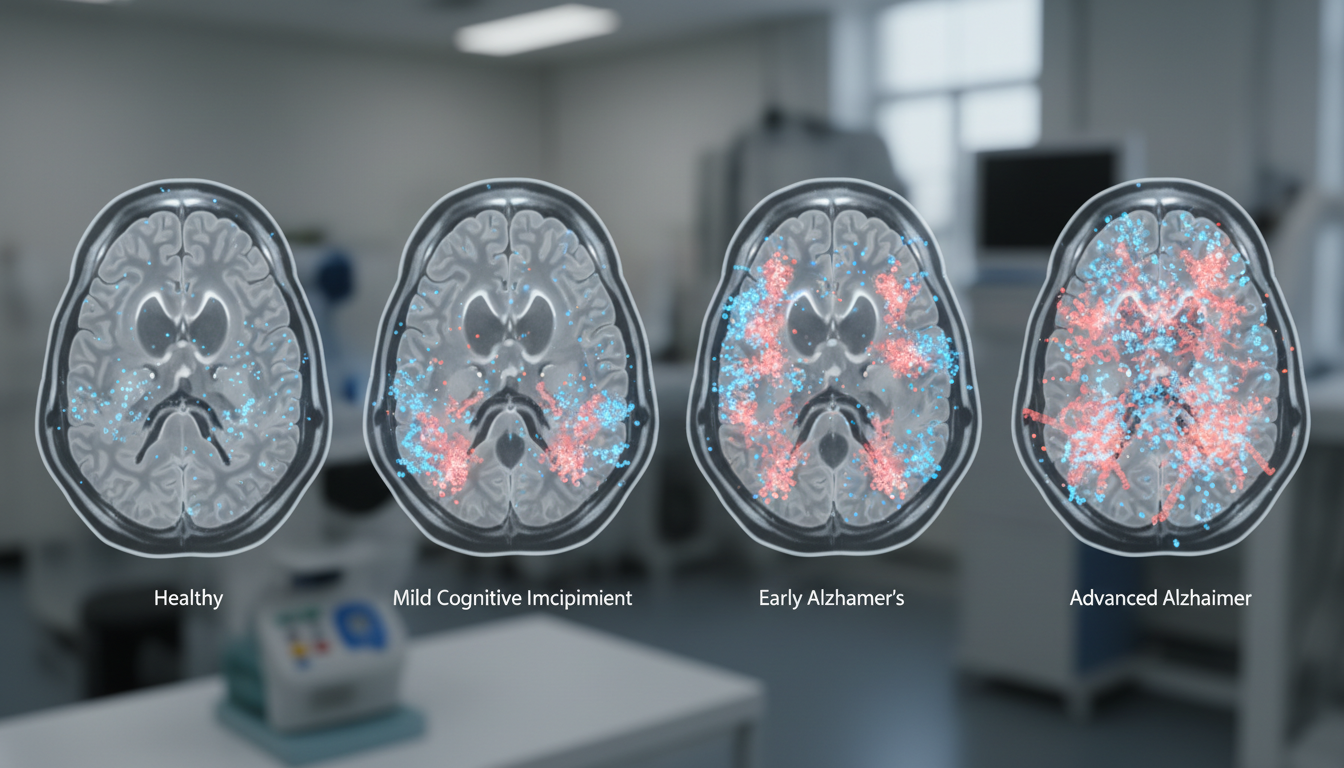
Alzheimer's Blood Tests: Track Changes Over Time

Recent research emphasizes that tracking shifts in Alzheimer's-linked protein biomarkers over time provides a more accurate picture than relying on a single blood test. Studies presented this month revealed that conditions like obesity can dilute crucial protein signals, affecting test reliability. Similarly, impaired kidney function can confound results, particularly for biomarkers indicating nerve damage.

Despite these challenges, technological advancements continue to accelerate Alzheimer's detection. The FDA has cleared two blood tests designed to detect Alzheimer's-related biomarkers. One test helps rule out amyloid buildup as the cause of symptoms, while another, intended for specialists, indicates a higher likelihood of these proteins being present in the brain.

Scientists are working to refine these tests for widespread diagnostic use. The ultimate goal is to identify individuals with Alzheimer's disease before dementia develops, enabling earlier treatment to potentially prevent cognitive decline. Tracking biomarker levels over time, rather than at a single point, is crucial for a comprehensive understanding of disease progression.

Disclaimer: This story has been auto-aggregated and auto-summarised by a computer program. This story has not been edited or created by the Feedzop team.
New FDA-cleared blood tests detect specific proteins linked to Alzheimer's, aiding in diagnosis when used with other clinical measures.
Yes, research shows obesity can dilute Alzheimer's-linked proteins, potentially making single blood tests less reliable.
While FDA-cleared tests exist, they are primarily for specialty care settings and require clinician interpretation, not general screening.

Read more news on

Healthside-arrow
trending

Nepal scraps Everest waste scheme

trending

Delhi yellow alert issued

trending

DAX index rises modestly

trending

Madhav Gadgil passes away

trending

Agnivesh Agarwal passes away

trending

Russia shares lower at close

trending

Arsenal lead Premier League table

trending

AIB Adapting to Economic Changes

trending

AIBE 20 result expected

You may also like

Small Heads, Lower Education Raise Dementia Odds

2 Jan • 34 reads

article image

New Alzheimer's Blood Test: Early Detection Breakthrough

17 Dec, 2025 • 106 reads

article image

Boost Your Brain: Simple Habits for Lasting Health

6 Dec, 2025 • 170 reads

article image

Tiny Genetic Flaw Causes 'Baby Alzheimer's'

6 Dec, 2025 • 215 reads

article image

Driving Habits Hint at Alzheimer's Risk

3 Dec, 2025 • 187 reads

article image