Home / Health / Aloe Vera Compounds May Fight Alzheimer's
Aloe Vera Compounds May Fight Alzheimer's
9 Feb
Summary
- Aloe vera compounds interact with enzymes linked to memory loss.
- Beta-sitosterol in aloe vera shows promise for Alzheimer's.
- Early research suggests potential plant-based Alzheimer's therapy.
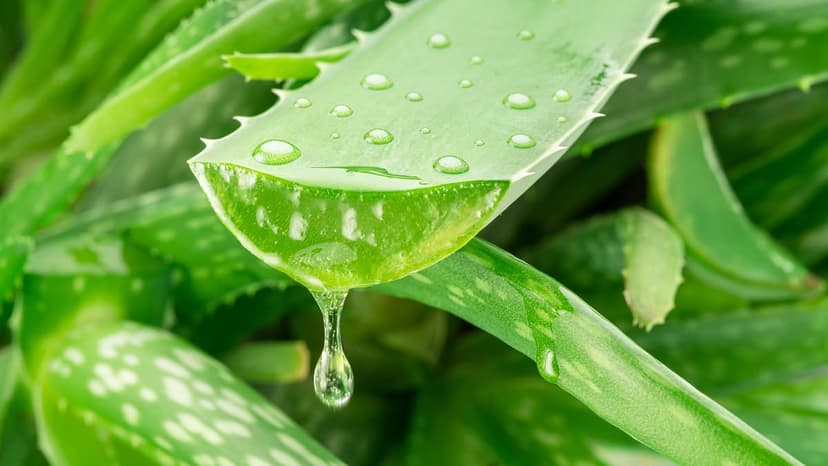
Compounds found in aloe vera are emerging as potential treatments for Alzheimer's disease, the most prevalent form of dementia in the UK. New research highlights beta-sitosterol, a plant compound structurally similar to cholesterol, which is abundant in aloe vera gel. This substance has shown significant interaction with two critical enzymes, acetylcholinesterase and butyrylcholinesterase, that are implicated in memory loss and cognitive decline.
These enzymes normally break down acetylcholine, a crucial brain chemical for nerve cell communication. In Alzheimer's patients, acetylcholine levels are reduced, leading to cognitive impairment. By potentially slowing these enzymes, compounds like beta-sitosterol could help preserve acetylcholine. The study, utilizing computer simulations, also indicated that succinic acid, another aloe vera component, may possess therapeutic value.
While this research is promising, scientists emphasize that it is in its early stages. Laboratory experiments and clinical trials are necessary to confirm the effectiveness and safety of these aloe vera compounds in humans. The findings lay a crucial groundwork for developing plant-based therapies for Alzheimer's, a condition affecting approximately 900,000 people in the UK and projected to rise significantly globally.