feedzop-word-mark-logo
searchLogin
Feedzop
homeFor YouIndiaIndia
You
bookmarksYour BookmarkshashtagYour Topics
Trending
trending

Gold prices reach record highs

trending

Juventus takeover bid rejected

trending

Bangalore cold wave continues

trending

Railways plans for pay commission

trending

India vs South Africa live

trending

Heavy rain alert issued

trending

MHADA lottery draw postponed

trending

WBPSC Clerkship Mains admit card

trending

Snapchat woos Indian advertisers

Terms of UsePrivacy PolicyAboutJobsPartner With Us

© 2025 Advergame Technologies Pvt. Ltd. ("ATPL"). Gamezop ® & Quizzop ® are registered trademarks of ATPL.

Gamezop is a plug-and-play gaming platform that any app or website can integrate to bring casual gaming for its users. Gamezop also operates Quizzop, a quizzing platform, that digital products can add as a trivia section.

Over 5,000 products from more than 70 countries have integrated Gamezop and Quizzop. These include Amazon, Samsung Internet, Snap, Tata Play, AccuWeather, Paytm, Gulf News, and Branch.

Games and trivia increase user engagement significantly within all kinds of apps and websites, besides opening a new stream of advertising revenue. Gamezop and Quizzop take 30 minutes to integrate and can be used for free: both by the products integrating them and end users

Increase ad revenue and engagement on your app / website with games, quizzes, astrology, and cricket content. Visit: business.gamezop.com

Property Code: 5571

Home / Health / Pollution Poisons Pregnancy: Newborns at Risk

Pollution Poisons Pregnancy: Newborns at Risk

15 Dec

•

Summary

  • Air pollution impacts fetal lung development and birth weight.
  • Pollutants can cross the placenta, affecting fetal organs.
  • Indoor and outdoor pollution increase risks for pregnant women.
Pollution Poisons Pregnancy: Newborns at Risk

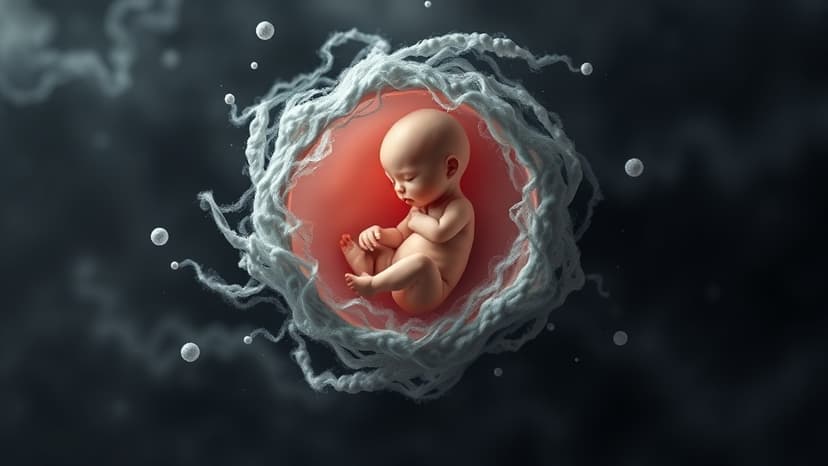
Air pollution presents a critical threat to the health of pregnant individuals and neonates, affecting development even before birth. Exposure to pollutants can lead to compromised lung development, low birth weight, and premature delivery. The passage of particulate matter through the placental barrier directly impacts fetal growth and organogenesis, potentially resulting in smaller lungs and impaired immune systems.

Following birth, newborns exposed to continued air pollution face increased risks of respiratory infections, such as pneumonia, and are more susceptible to developing asthma and allergies. The neurocognitive development of these children can also be negatively affected, placing them at a higher risk for chronic illnesses like diabetes and heart disease later in life.

Experts emphasize that physiological changes during pregnancy, including increased oxygen requirements and respiratory rates, make pregnant individuals more susceptible to inhaling a greater amount of pollutants. Public health initiatives focused on reducing community and traffic pollution are crucial, alongside personal measures like monitoring air quality and improving indoor air filtration.

Disclaimer: This story has been auto-aggregated and auto-summarised by a computer program. This story has not been edited or created by the Feedzop team.
Yes, air pollution can harm a fetus by crossing the placenta, affecting lung development, growth, and increasing risks of premature birth and low birth weight.
Newborns exposed to air pollution are at higher risk for respiratory infections, asthma, allergies, and impaired neurocognitive development.
Pregnant women can reduce exposure by monitoring air quality, avoiding outdoor activity on poor air days, using masks, and improving indoor air quality with HEPA filters.

Read more news on

Healthside-arrow

You may also like

Global Inequity Fueled by Indoor Air Pollution

12 Dec • 31 reads

article image

Infertility: A Silent Global Health Crisis

8 Dec • 61 reads

article image

Persistent Cough? It Could Be Lung Cancer

7 Dec • 61 reads

article image

Pregnancy Air Quality Alert: Expert Tips

7 Dec • 62 reads

article image

Microplastics Invade Lungs: Doctors Warn of Health Crisis

5 Dec • 104 reads

article image