Home / Health / Microscopic Black Dots in Your Blood: Air Pollution's Toll
Microscopic Black Dots in Your Blood: Air Pollution's Toll
7 Feb
Summary
- Tiny black particles from air pollution were seen stuck to red blood cells.
- Researchers estimate 80 million red blood cells could transport pollution.
- Pollution deposits have been found in placentas and may lodge in organs.
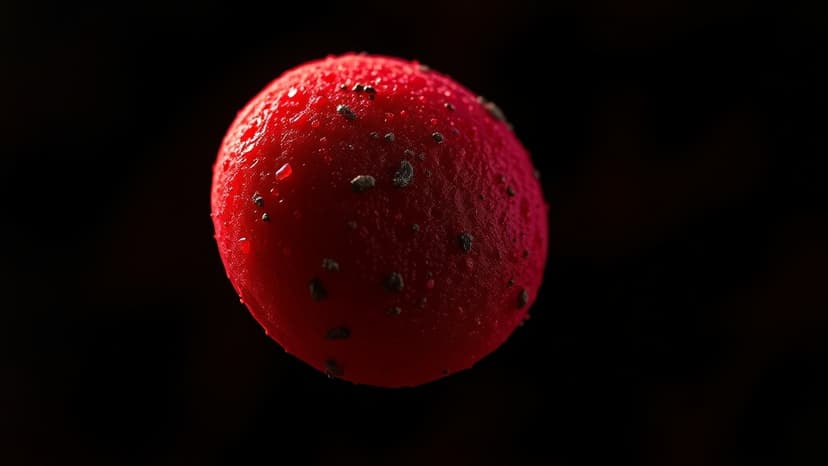
A groundbreaking experiment has revealed the presence of air pollution directly within human bloodstreams. Tiny black particles, identified as carbon from incomplete fuel combustion (PM 2.5), were found attached to red blood cells after volunteers spent just 10 minutes near busy London traffic. Researchers estimate that this could amount to 80 million red blood cells carrying pollution throughout the body.
While levels in the blood decrease after two hours of clean air, the particles' ultimate destination is a major concern. Scientists hypothesize they may pass through blood vessel linings and accumulate in organs, potentially explaining links between air pollution and health issues beyond the lungs, including in the brain and developing fetuses. Black carbon deposits have been found in placentas, suggesting widespread distribution.
Air pollution, invisible to the naked eye, is linked to millions of deaths annually worldwide, with 30,000 in the UK alone. It contributes to inflammation, increasing the risk of heart attacks, strokes, and lung cancer. It may also affect fetal development and accelerate dementia. While policies aim to improve air quality, understanding these direct biological impacts intensifies pressure for further reductions in exposure.