Home / Health / AI Detects Glaucoma Faster Than Doctors
AI Detects Glaucoma Faster Than Doctors
13 Mar
Summary
- AI tool correctly identified 78% of glaucoma cases.
- AI referred fewer patients, reducing unnecessary specialist visits.
- Routine eye tests are crucial for early glaucoma detection.
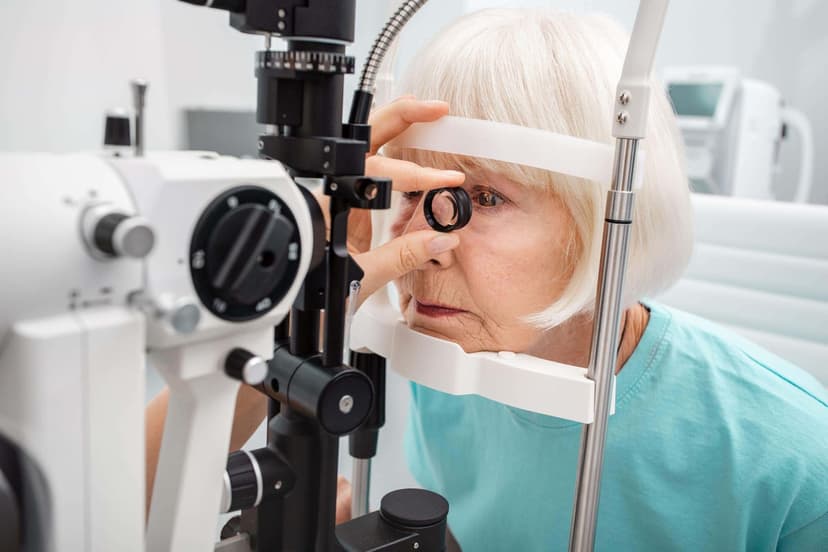
Artificial intelligence may soon play a key role in identifying glaucoma, an eye condition that damages the optic nerve.
A recent study in The Lancet Primary Care demonstrated an AI tool's effectiveness in analyzing eye images. This technology correctly detected 78% of glaucoma cases, surpassing doctors' 75% accuracy in the study.
Furthermore, the AI system referred 66 individuals to specialists, significantly fewer than the 118 referrals made by eye doctors. Glaucoma, often termed the 'silent thief of sight,' typically affects peripheral vision and can progress unnoticed.
Experts stress that glaucoma is a group of diseases, with primary open-angle glaucoma being the most common, often developing slowly over years. Age and family history are significant risk factors, increasing prevalence in individuals over 40.
While other types like angle-closure glaucoma present with more dramatic symptoms such as eye pain and nausea, effective treatments are available. These include eye drops, laser therapy, and surgery, aimed at reducing intraocular pressure and preserving vision.
Early detection through routine eye examinations, recommended at least every two years, is paramount. Optometrists perform screening tests to identify glaucoma, with personalized treatment plans designed for optimal outcomes.