Home / Health / AI Speeds Ebola Fight, But Risks Remain
AI Speeds Ebola Fight, But Risks Remain
15 Oct
Summary
- AI analyzes Ebola data in one hour, a process that previously took a day.
- AI can pinpoint outbreak hotspots for precise medical supply targeting.
- Experts caution about AI's 'black box' problem and explainability issues.
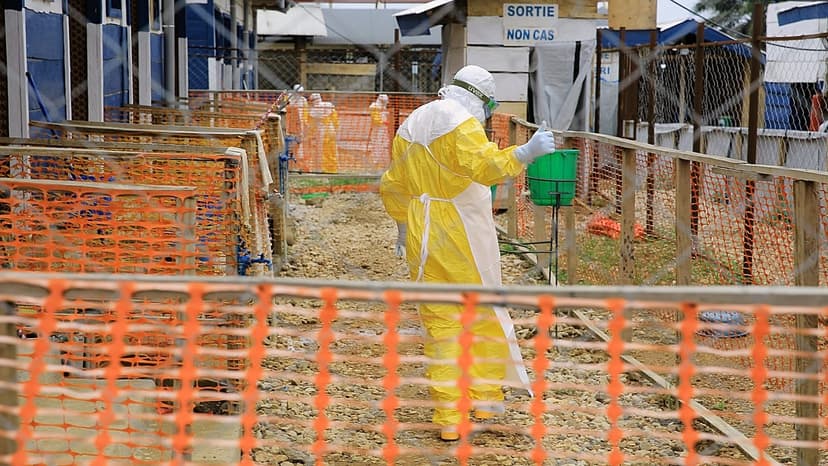
In the ongoing fight against the Bundibugyo Ebola strain in the Democratic Republic of Congo, artificial intelligence is significantly accelerating the daily response. Health worker reports, which once took a full day to compile into situation reports, are now processed by AI models in approximately one hour.
This rapid analysis, involving organizations like the WHO and CEPI, allows for quicker identification of potential outbreak hotspots. Such insights enable better preparation, including strategic distribution of medical supplies to high-risk areas, potentially saving lives.
AI's role extends beyond crisis management, with potential to improve diagnoses and reduce administrative burdens on overstretched healthcare staff worldwide. However, this technological advancement is not without its concerns.
Experts highlight the critical 'black box' problem, where the reasoning behind AI-driven diagnoses or recommendations remains unclear. This lack of transparency raises questions about reliability and accountability, particularly when medical professionals need to understand and trust AI-generated insights.
Furthermore, while AI can streamline repetitive tasks and aid in training, educators caution against over-reliance, emphasizing the importance of deep learning and cognitive processes that AI cannot replicate. The focus remains on AI as a supportive tool, freeing up human caregivers for essential patient interaction.


