


Home / Health / AFib Ablation Success Soars with New Drug
AFib Ablation Success Soars with New Drug
10 Apr
Summary
- New drug pretreatment significantly improved ablation success rates for AFib.
- 81% of patients on the drug remained in sinus rhythm one year post-procedure.
- This breakthrough could offer a new treatment paradigm for AFib and obesity.
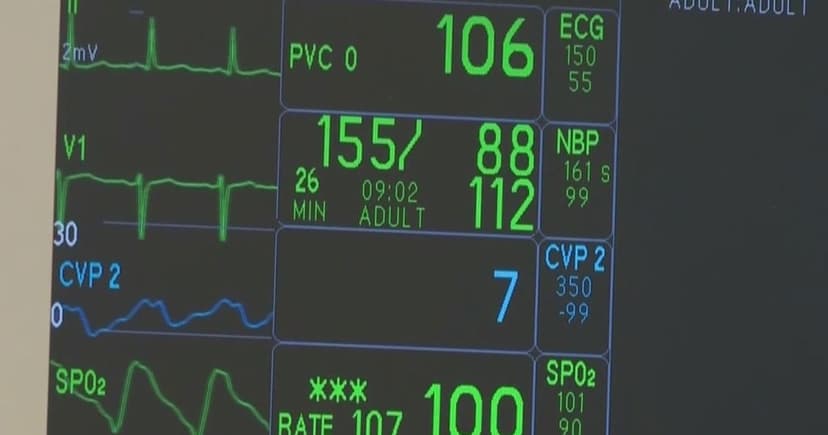
Research from the University of Miami Miller School of Medicine indicates a potential revolution in atrial fibrillation (AFib) treatment. A study, the Liraglutide Effects in Atrial Fibrillation (LEAF) study, explored the impact of the GLP-1 drug Liraglutide on obese participants undergoing ablation. The findings demonstrated a significant improvement in ablation success rates when Liraglutide was administered prior to the procedure.
Results showed that 81% of patients who received Liraglutide maintained sinus rhythm one year after ablation, compared to 54% in the group that did not receive the drug. These outcomes far exceed typical success rates, which range from 50-60%. This new approach focuses on modifying the disease's biology rather than solely escalating procedural complexity, offering hope for a new treatment paradigm for AFib patients, particularly those who are also obese.
Researchers are enthusiastic about these findings, with plans for larger trials to confirm the results and determine optimal treatment protocols. The study's lead, Dr. Jeffrey Goldberger, highlighted that this work could transform how AFib is managed. The investigation is also exploring similar effects with newer drugs in the same class and their applicability to a broader AFib patient population.
