Home / Health / Silent Suffering: India's Adivasi Youth Mental Health Crisis
Silent Suffering: India's Adivasi Youth Mental Health Crisis
19 Jun
Summary
- Adivasi adolescents face significant, often unrecognized, mental health challenges.
- Poverty, family responsibilities, and migration exacerbate their distress.
- Mental health systems struggle to understand distress expressed in local idioms.
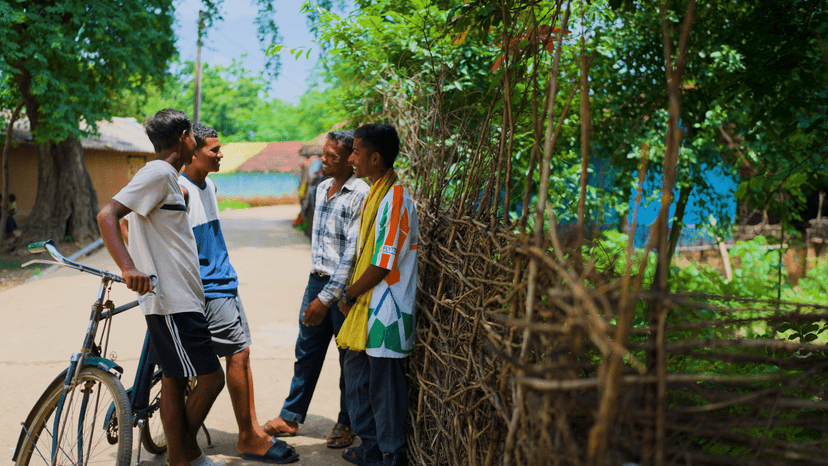
Young people in India's Adivasi communities face a significant, yet largely invisible, mental health crisis. Teenagers like Dumbi, whose father passed away when he was in class 5, are burdened with family responsibilities and economic support, leading to withdrawal and coping mechanisms like alcohol. This premature maturity masks chronic anxiety and emotional exhaustion, as seen with Nitima, who dropped out of school to care for her sibling and family.
These adolescent struggles are frequently overlooked by mainstream mental health discourse, which remains urban-centric. Evidence suggests that mental disorders are prevalent, with a multi-state survey reporting 16% among Adivasi adolescents, more than double the national estimate. Seasonal migration for work further intensifies distress, causing loneliness, uncertainty, and fractured social ties.
Systemic disconnects prevent effective help. Mental health professionals often fail to recognize distress communicated through local idioms, bodily complaints, silence, or irritability, instead of clinical terms like 'depression' or 'anxiety.' The erosion of intergenerational spaces also weakens informal support systems where emotions were once shared.
A comprehensive response is crucial. Beyond expanding psychiatric services, strengthening community spaces, reducing socioeconomic precarity, and actively listening to local expressions of distress are vital. Ensuring mental health for Adivasi youth is a matter of dignity, justice, and enabling them to envision futures beyond mere survival.


