

Home / Health / Home BP Monitors: Your Numbers Might Lie!
Home BP Monitors: Your Numbers Might Lie!
26 Apr
Summary
- Many popular home blood pressure monitors lack clinical validation.
- Inaccurate readings can lead to unnecessary medication or missed diagnoses.
- Upper-arm monitors are generally more reliable than wrist devices.
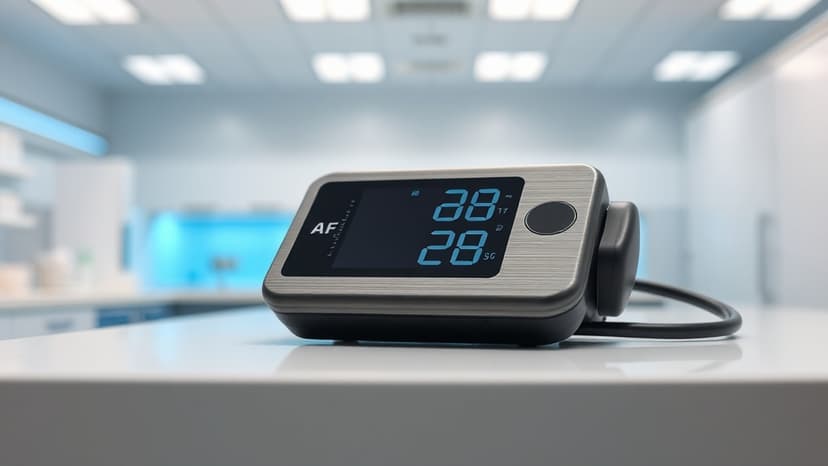
Many popular home blood pressure monitors have not undergone clinical validation, leading to potentially unreliable readings. This situation is concerning as inaccurate results can prompt unnecessary medical interventions or mask serious health issues like hypertension. It is crucial for individuals to verify their device's accuracy.
Fortunately, several steps can ensure reliable home blood pressure monitoring. Checking if your device is on a recognized validation list, such as the US Blood Pressure Validated Device Listing (VDL) or STRIDE BP, is a good first step. Taking your monitor to a doctor's appointment for comparison with professional equipment can also identify discrepancies.
Experts recommend upper-arm monitors over wrist or finger devices for greater reliability. A well-regarded monitor typically costs between USD 50 and USD 100, featuring an automatic upper-arm cuff and a clear display. Proper cuff size is also critical; it should cover about 80% of the upper arm and fit snugly but comfortably.
Correct usage is as important as device accuracy. Users should rest quietly for five minutes before taking a reading, with feet flat, back straight, and arm at heart level. Readings should be taken on bare skin, without talking, and with two measurements taken about a minute apart. Avoid checking blood pressure immediately after exercise, stress, coffee, or smoking.
Initial monitoring should involve checking twice daily for about a week. Consistency in readings may allow for less frequent checks as advised by a doctor. Focusing on patterns rather than single numbers and sharing this log with a healthcare provider is key for effective treatment guidance. The goal is for the home monitor to be a helpful tool, not a source of anxiety.
