Home / Health / World First: 3D Printed Cornea Ends Blindness
World First: 3D Printed Cornea Ends Blindness
11 Dec
Summary
- Surgeons successfully transplanted a 3D-printed corneal implant.
- The implant was grown from cultured human corneal cells.
- This groundbreaking procedure offers hope for millions facing donor shortages.
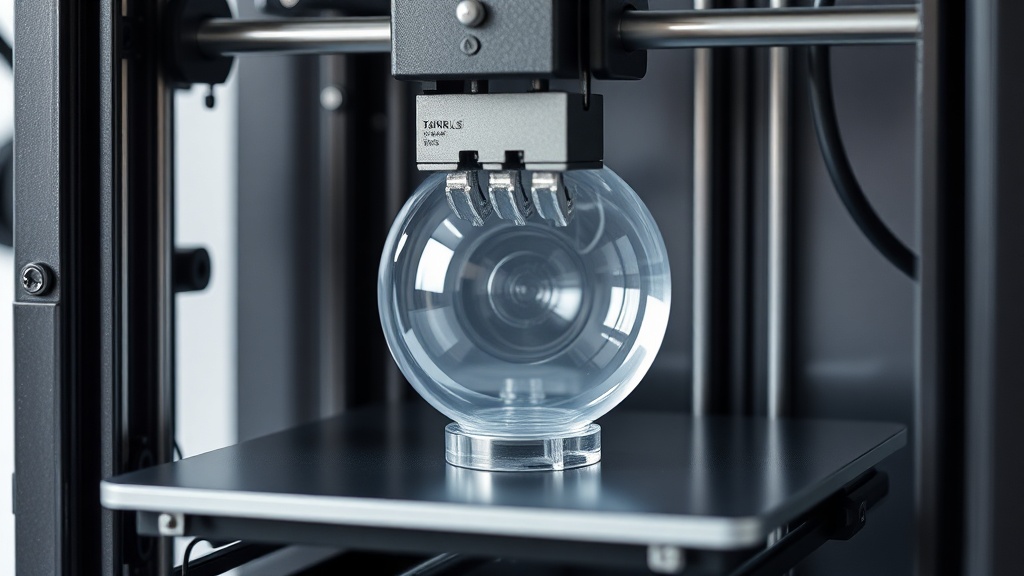
Surgeons have achieved a medical milestone by restoring sight to a legally blind patient with a fully 3D-printed corneal implant. This groundbreaking procedure, performed at Rambam Eye Institute, marks the first time a human eye has received a corneal implant not derived from donor tissue. The innovative implant was constructed using cultured human corneal cells.
The research team multiplied cells from a healthy donor, then employed Precise Bio's regenerative platform to print approximately 300 transparent implants. This system creates a layered structure mimicking a natural cornea's clarity and function. Donor shortages currently hinder sight-saving treatments for millions, but this development could dramatically expand access to transplants.
Led by Professor Michael Mimouni, the surgical team's success in this Phase 1 clinical trial is a testament to years of collaborative effort. The achievement paves the way for future regenerative medicine applications, potentially impacting other tissues like cardiac muscle, liver, and kidney cells. This marks a significant turning point for eye care and regenerative medicine.