Home / Health / 3 Years Sober: Musician's Radical Lifestyle Shift
3 Years Sober: Musician's Radical Lifestyle Shift
19 Mar
Summary
- Musician Rishab Rikhiram Sharma has abstained from alcohol for three years.
- Long-term sobriety offers significant benefits to liver and brain health.
- Physical recovery from alcohol involves gradual changes over years.
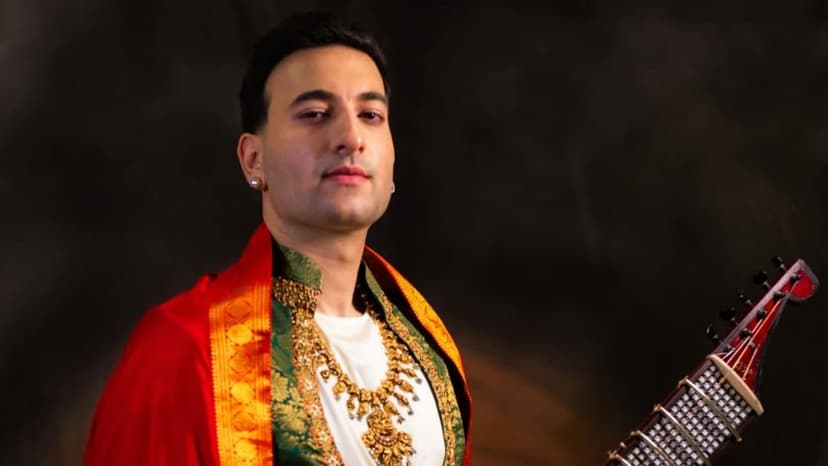
Musician Rishab Rikhiram Sharma recently shared his three-year journey of alcohol abstinence, attributing it to a more disciplined and spiritually focused lifestyle. His decision reflects growing trends where individuals are prioritizing sobriety for well-being.
Medical experts confirm that long-term sobriety brings significant health advantages. The body begins to repair itself shortly after alcohol cessation, with cumulative benefits over time. The liver, heavily impacted by alcohol metabolism, shows reduced inflammation and can regenerate. Neurological pathways in the brain, responsible for memory and decision-making, also show signs of recovery.
Furthermore, sustained abstinence leads to stabilized sleep cycles, moving from disrupted REM patterns to more restorative sleep. Metabolism and cardiovascular health also improve as calorie intake decreases and insulin sensitivity often enhances. These positive shifts contribute to better blood sugar control and weight management.
The recovery process from long-term alcohol use is phased. Initial weeks involve detoxification and early organ repair. Within months, metabolic health and mood stabilize. After one to two years, cognitive functions like memory show measurable improvement. Around the three-year mark, individuals often experience long-term stabilization of sleep, stronger immunity, and a reduced risk of alcohol-related diseases.