feedzop-word-mark-logo
searchLogin
Feedzop
homeFor YouIndiaIndia
You
bookmarksYour BookmarkshashtagYour Topics
Trending
Terms of UsePrivacy PolicyAboutJobsPartner With Us

© 2026 Advergame Technologies Pvt. Ltd. ("ATPL"). Gamezop ® & Quizzop ® are registered trademarks of ATPL.

Gamezop is a plug-and-play gaming platform that any app or website can integrate to bring casual gaming for its users. Gamezop also operates Quizzop, a quizzing platform, that digital products can add as a trivia section.

Over 5,000 products from more than 70 countries have integrated Gamezop and Quizzop. These include Amazon, Samsung Internet, Snap, Tata Play, AccuWeather, Paytm, Gulf News, and Branch.

Games and trivia increase user engagement significantly within all kinds of apps and websites, besides opening a new stream of advertising revenue. Gamezop and Quizzop take 30 minutes to integrate and can be used for free: both by the products integrating them and end users

Increase ad revenue and engagement on your app / website with games, quizzes, astrology, and cricket content. Visit: business.gamezop.com

Property Code: 5571

trending

Salesforce lays off 1000

trending

India US trade tariffs slashed

trending

Margot Robbie's Wuthering Heights panned

trending

CBSE board exams: key details

trending

Jana Nayagan movie court case

trending

Dhakshineswar Suresh Davis Cup hero

trending

Deepika Padukone wears Gaurav Gupta

trending

NZ vs UAE match prediction

trending

iPhone 17 Croma Valentine's sale

Home / Health / Blood Sugar Spike: Is 156 mg/dL Normal?

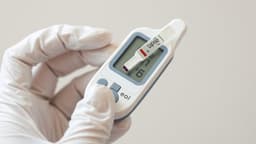
Blood Sugar Spike: Is 156 mg/dL Normal?

11 Feb

Summary

  • 156 mg/dL two hours post-meal is slightly above the normal range.
  • Persistent high blood sugar can lead to serious health complications.
  • Lifestyle changes and medical tests provide a clearer health picture.

Blood Sugar Spike: Is 156 mg/dL Normal?

A blood sugar level of 156 mg/dL two hours after a meal is considered slightly above the normal range for individuals without diabetes. For those with diabetes, this reading might be acceptable depending on their treatment goals. Experts emphasize that a single number lacks context; patterns over time are more telling.

Persistent elevated blood sugar, particularly readings frequently between 150-160 mg/dL, can signal prediabetes or early diabetes and may increase the risk of complications like heart disease and kidney issues. Medical evaluation is advised if such readings are frequent.

Lifestyle changes such as reducing refined carbohydrates, increasing fiber and protein, and post-meal walks can help manage glucose levels. Comprehensive testing, including HbA1c and Oral Glucose Tolerance Tests, offers a clearer view of long-term glucose control and aids in early intervention.

Ultimately, blood sugar numbers are indicators, and consulting a healthcare professional is essential for accurate interpretation and management, rather than relying solely on online information.


Disclaimer: This story has been auto-aggregated and auto-summarised by a computer program. This story has not been edited or created by the Feedzop team.
For people without diabetes, blood sugar typically returns below 140 mg/dL within two hours of eating. In individuals with diabetes, targets can vary, but frequent readings around 150 mg/dL may indicate suboptimal control.
If post-meal blood sugar readings frequently remain between 150-160 mg/dL, medical evaluation is advisable to screen for prediabetes or early diabetes, especially if you do not have a diagnosed condition.
Simple steps include reducing refined carbohydrates, increasing fiber and protein intake, controlling portion sizes, engaging in brief post-meal walks, maintaining a healthy weight, and taking prescribed medications regularly.

Read more news on

Healthside-arrow
•

You may also like

Your Eyes: A Window to Hidden Health Issues

1 day ago • 9 reads

article image

Silent Killer: Diabetes Early Signs Ignored

3 Feb • 44 reads

article image

Hard Belly: Your Hidden Health Risk

2 Feb • 28 reads

article image

Prediabetes Harms Heart Before Diabetes Sets In

15 Dec, 2025 • 306 reads

article image

Itchy Feet? Your Body May Be Warning You

14 Dec, 2025 • 287 reads

article image