Home / Environment / Zambia Dam Disaster: Poison River Unleashed
Zambia Dam Disaster: Poison River Unleashed
13 Mar
Summary
- Mining waste dam collapse in Zambia poisoned Kafue River.
- Extreme weather exacerbates instability of global tailings dams.
- Hundreds died in past Brazilian dam collapses with severe pollution.
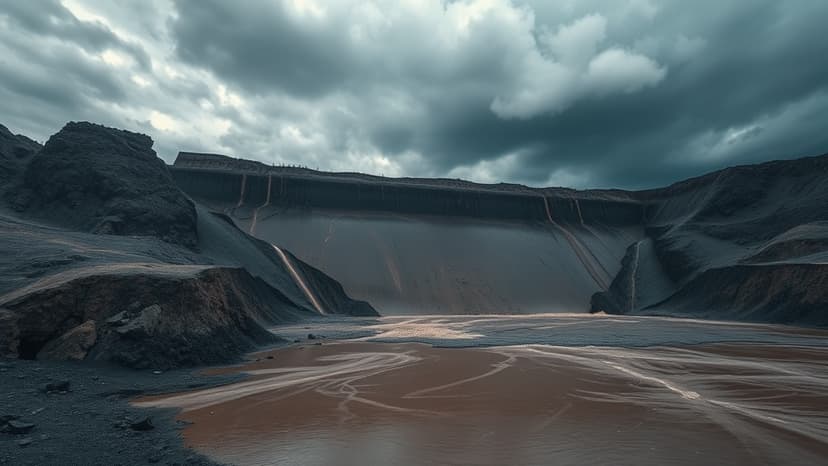
A tailings dam collapse at the Sino-Metals Leach copper mine in Zambia's copper belt in February 2025 released over 50 million cubic liters of toxic waste into the Chambishi stream, a tributary of the Kafue River. This event caused significant ecological damage, killing aquatic life and impacting agricultural land, while also shutting down drinking water for the city of Kitwe.
Experts warn that extreme weather, driven by the climate crisis, is increasingly destabilizing tailings dams worldwide. Analysis indicates at least 108 such dams are situated in key biodiversity areas, posing a substantial risk. Past disasters, like the 2019 Brumadinho and 2015 Mariana dam bursts in Brazil, resulted in hundreds of deaths and extensive long-term pollution.
Tailings dams, repositories for often toxic mining waste, are designed for permanence but are proving vulnerable to changing environmental conditions. The long-term impact of heavy metals can devastate ecosystems for decades, affecting food chains and soil health. Despite industry efforts and new safety standards, many dams, particularly those associated with illegal or artisanal mining, may not meet these evolving requirements.