Home / Environment / Yosemite Frogs Bounce Back: Trout Gone, Fungus Fades?
Yosemite Frogs Bounce Back: Trout Gone, Fungus Fades?
13 Aug
Summary
- Yellow-legged frog population in Yosemite increased sevenfold.
- Millions of non-native trout were removed from mountain lakes.
- Frogs may be developing resistance to a deadly fungal disease.
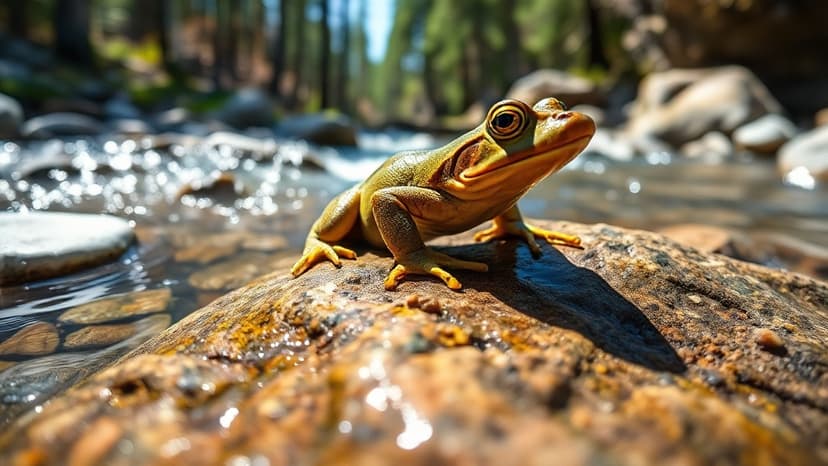
Decades of conservation work have led to a stunning sevenfold increase in Yosemite's Sierra Nevada yellow-legged frog population, according to a 20-year survey. Non-native trout, introduced over a century ago and numbering in the millions, were a significant threat to the frogs' eggs and young. These fish, first introduced in 1877 and stocked extensively until 1991, transformed aquatic habitats.
Biologists and volunteers began removing non-native fish from selected lakes in the mid-2000s. This painstaking process, sometimes using gill nets and electrofishing, aimed to restore a more natural balance. The frogs also faced a deadly fungal disease, chytridiomycosis, which had decimated populations, causing them to disappear from over 93% of their historic range by the mid-2000s.
While the fungus, known as Bd, remains present, frog populations are showing signs of resilience. Scientists are investigating whether the frogs are developing greater resistance to the pathogen, a crucial factor in their recovery. This ongoing effort to understand the interplay between fish removal and the frogs' apparent tolerance to the fungus is vital for managing other threatened amphibian populations globally.


