Home / Environment / New Analysis Challenges Wolf Recovery Claims
New Analysis Challenges Wolf Recovery Claims
14 Jun
Summary
- A new study questions the massive ecological impact attributed to wolves in Yellowstone.
- Researchers cite flawed methods and circular reasoning in a 2025 study.
- Willow growth figures were exaggerated due to statistical modeling issues.
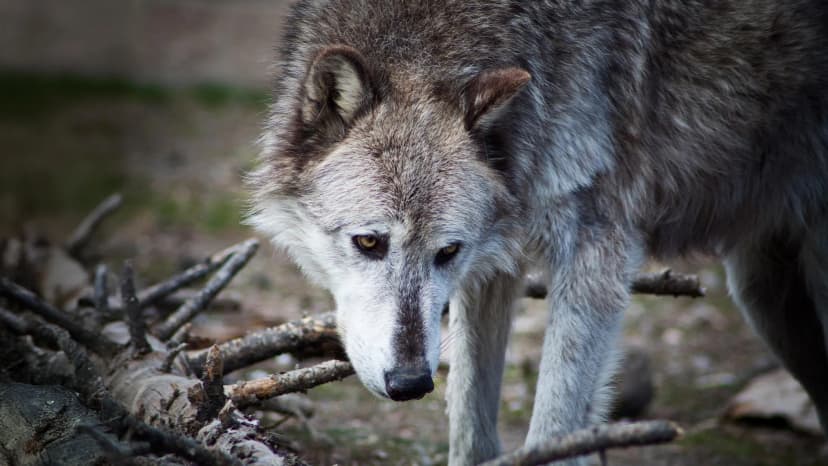
A new peer-reviewed analysis is casting doubt on previous conclusions regarding the ecological impact of wolf recovery in Yellowstone National Park. Published in Global Ecology and Conservation, the study contends that a widely cited 2025 paper significantly overstated these effects.
Researchers from Utah State University and Colorado State University identified several methodological flaws in the earlier work. They specifically challenge the claim of a 1,500 percent increase in willow crown volume, arguing it stemmed from a circular statistical model that used plant height to both calculate and predict volume. This approach, they state, can artificially inflate results regardless of actual biological change.
Further concerns raised include the application of a height-to-volume model to distorted willow shapes, the use of non-identical sampling plots over time, and an assumption of ecosystem equilibrium that doesn't fit Yellowstone's dynamic environment. The analysis suggests that a more modest, spatially varied response in vegetation is more plausible, influenced by factors beyond just predator presence.
The authors emphasize that their findings do not diminish the ecological importance of predators but highlight the necessity for rigorous scientific methods. They aim to clarify the evidence, noting that while predator effects are real, strong claims require robust data. This new analysis helps reconcile conflicting interpretations of Yellowstone's ecological datasets.


