Home / Environment / Yellow River Tamed: 80 Years of Flood Control Triumph
Yellow River Tamed: 80 Years of Flood Control Triumph
7 Nov
Summary
- Flood control capacity significantly improved over eight decades.
- River supports 12% of China's population with only 2% water.
- Soil erosion control turned vast areas green, saving billions.
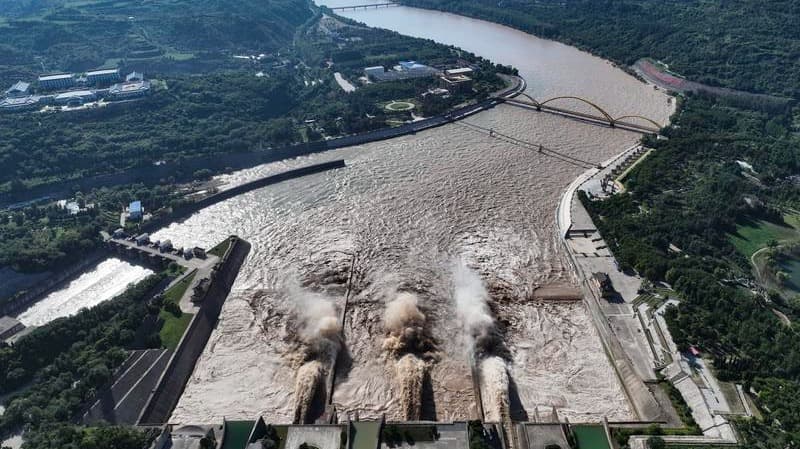
For eight decades, China has undertaken sustained efforts to manage and protect the Yellow River, resulting in historic environmental improvements and economic development. Flood control systems have been greatly strengthened, ending the river's historical pattern of frequent dike breaches and course changes. These efforts have led to ecological gains, with vast areas of the Loess Plateau transformed from barren land to green landscapes through large-scale soil erosion control.
The Yellow River plays a crucial role in regional development, supplying water for 12 percent of China's population and 17 percent of its farmland, while supporting 14 percent of the national GDP, all with just 2 percent of the country's total water resources. Unified water allocation projects have ensured uninterrupted flow in the river's lower reaches for 27 consecutive years, and water quality in the main stream remains at Grade II.
Historically known as "China's sorrow" due to devastating floods, the Yellow River suffered numerous dike breaches and course changes before 1949. However, over the past 80 years, significant infrastructure development, including 3,000 kilometers of embankments and 2,768 reservoirs, has enabled the successful management of major flood events. Approximately 290,500 square kilometers of eroded land have been treated, preventing billions of tons of sediment from entering the river and generating trillions of yuan in economic benefits.


