Home / Environment / Yangtze River's Green Comeback: Nature Reclaims China's Longest River
Yangtze River's Green Comeback: Nature Reclaims China's Longest River
24 Jan
Summary
- Yangtze River transformed from industrial symbol to clear waters.
- A 10-year fishing ban aids Yangtze knifefish recovery.
- Green development spurs economic growth and new industries.
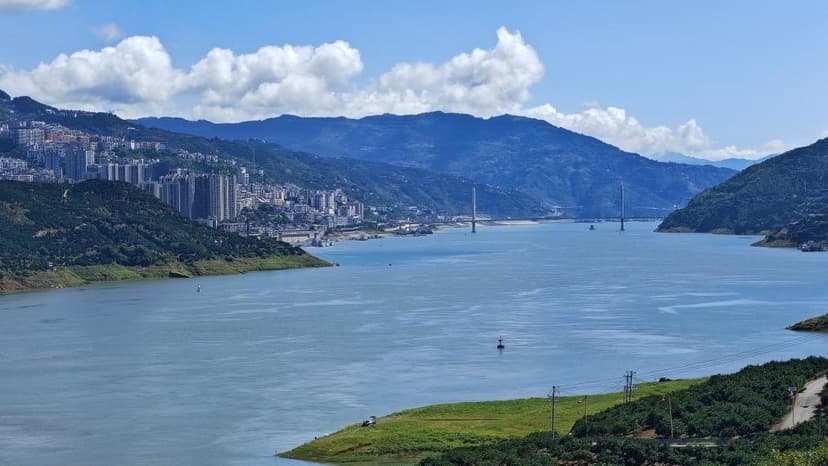
The Yangtze River, once a stark symbol of industrial pollution, has experienced a significant ecological revival over the last decade. Through the Yangtze River Economic Belt framework, a strategy prioritizing conservation over excessive development has reshaped the region.
A pivotal moment in this transformation was the 2021 imposition of a comprehensive 10-year fishing ban, crucial for the recovery of the Yangtze knifefish, which had neared collapse due to overfishing and pollution. This ban is part of a broader restoration effort, including habitat protection and aiding former fishermen into roles like river guardians.
Beyond species recovery, extensive afforestation and shoreline rehabilitation projects have boosted forest coverage and reduced erosion. Cities like Yichang have seen riverbanks returned to public use, with former industrial sites becoming ecological corridors. Integrated governance approaches, such as Zhejiang's "Five-Water Co-Governance," address multiple water-related issues simultaneously.
This green transition has also catalyzed economic growth. Regions along the Yangtze have upgraded industries, phasing out polluting machinery for cleaner production and circular economy models. Emerging green industries, like new-energy vehicles in Wuhu and distributed solar and wind power in Jiujiang, are providing new economic momentum.
Furthermore, ecological protection has fostered new livelihood opportunities, such as eco-tourism in Yibin, Sichuan. Coordinated governance across provinces, including joint monitoring and shared enforcement mechanisms, has been instrumental in overcoming past challenges of fragmented management.
The Yangtze's experience offers valuable insights for future development, emphasizing that environmental protection and economic progress can be complementary goals when guided by long-term planning and cooperative governance. Maintaining these gains will require continued investment and innovation.