Home / Environment / Yangtze River Reborn: A Decade of Green Growth
Yangtze River Reborn: A Decade of Green Growth
6 Jan
Summary
- Yangtze River's water quality improved to over 98% high-quality sections.
- Fishing ban led to increased income for former fishers.
- Green development along the Yangtze now accounts for nearly half of China's GDP.
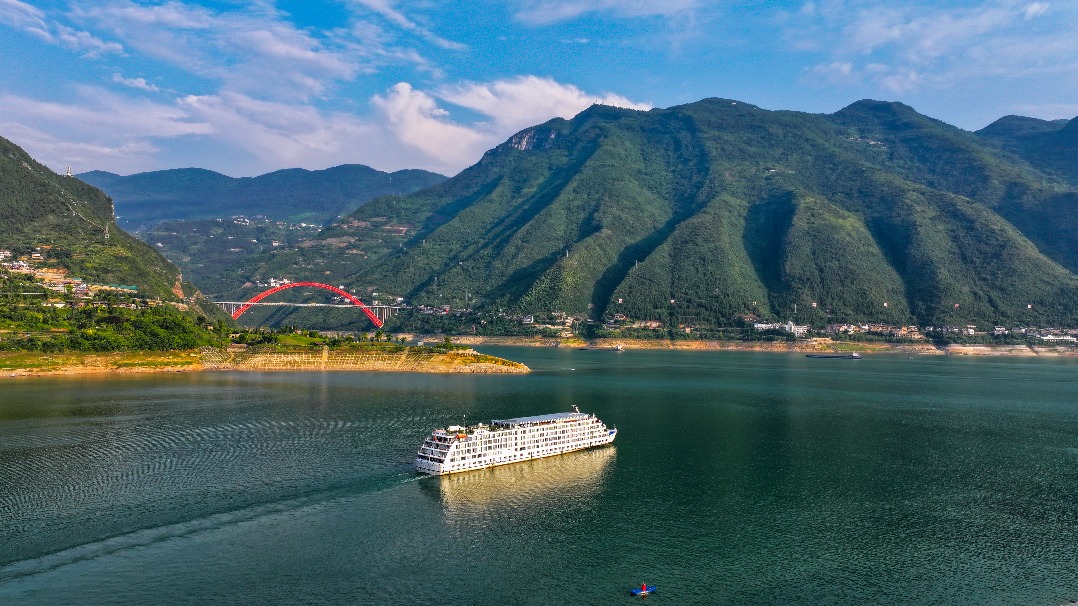
Ten years ago, China's Yangtze River began a transformation, shifting from a heavily polluted waterway to a symbol of ecological recovery. Strict safeguards and economic reform initiated in 2016 have revitalized the river. Today, over 98% of its main stem boasts high-quality water, and iconic species like the Yangtze finless porpoise are rebounding.
The implementation of a 10-year fishing ban in 2021 across key waters has been pivotal. This policy, affecting over 230,000 fishers, aimed to halt biodiversity decline. In Chongqing, former fishers transitioned to roles like river wardens, seeing their incomes rise by over 8%. Technological advancements, including AI-powered monitoring systems, further support enforcement.
This ecological restoration is intertwined with "green development." The Yangtze River Economic Belt now generates nearly 50% of China's GDP, up from 42.2% a decade ago. The region has become an innovation hub, particularly in new-energy vehicles, while phasing out outdated industries and cleaning up pollution. This approach underscores China's commitment to balancing economic expansion with long-term environmental health.