Home / Environment / Yamuna's Dirty Secret: Sewage Overload Chokes River
Yamuna's Dirty Secret: Sewage Overload Chokes River
28 Jan
Summary
- Untreated sewage remains the primary polluter of the Yamuna River.
- Industrial waste and solid waste dumping significantly worsen water quality.
- Coordination failures among seven agencies impede Yamuna rejuvenation efforts.
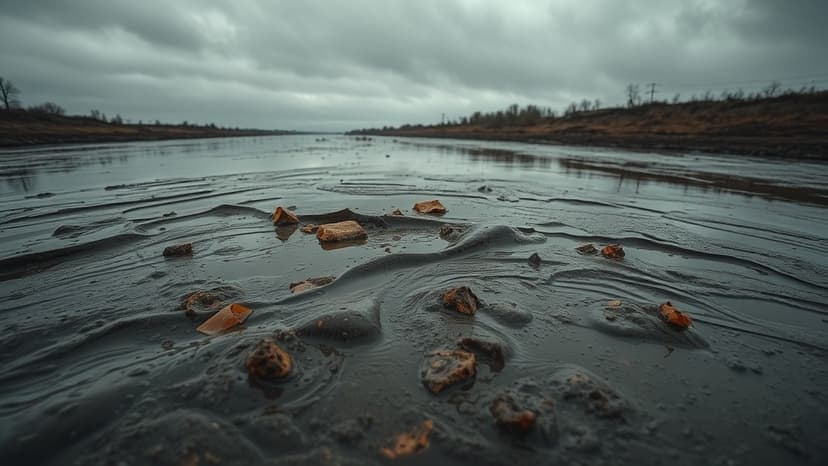
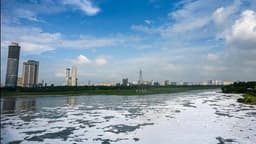
Sewage overload, industrial effluents, and solid waste have been identified as the primary culprits behind the Yamuna River's worsening water quality. A high-level meeting chaired by CM Rekha Gupta highlighted the persistent gap between sewage generation and effective treatment, with many sewage treatment plants (STPs) not meeting new standards. Officials noted that incomplete sewer connectivity and underutilized treatment infrastructure allow large volumes of untreated wastewater to enter the river.
Industrial pollution adds to the crisis, compounded by the absence of a comprehensive waste management framework at the sub-drain level. A structural issue exacerbating the problem is the lack of fresh water flow during dry seasons, allowing numerous drains to discharge wastewater into the river with minimal dilution. Furthermore, the management of Delhi's extensive stormwater drain network by seven different agencies has led to coordination failures, uneven maintenance, and accountability gaps.
Solid waste, including construction debris and cow dung, dumped into drains significantly increases the organic load, raising biochemical oxygen demand levels. The Yamuna's 48km stretch through Delhi accounts for approximately 80% of its total pollution. Efforts are underway to address these issues by accelerating sewer network completion, strengthening STP operations, intercepting drains, and improving industrial waste management. Plans also include regular desilting, preventing waste dumping, ensuring environmental flow, and enhancing coordination across agencies.