Home / Environment / Yamuna Froths: TERI Study Reveals Critical Pollution Hotspots
Yamuna Froths: TERI Study Reveals Critical Pollution Hotspots
3 Dec, 2025
Summary
- TERI study identifies hotspots of pollution in Delhi's Yamuna river.
- Surfactants, microplastics, and untreated sewage are major contributors.
- Environment Minister directs urgent time-bound implementation plans.
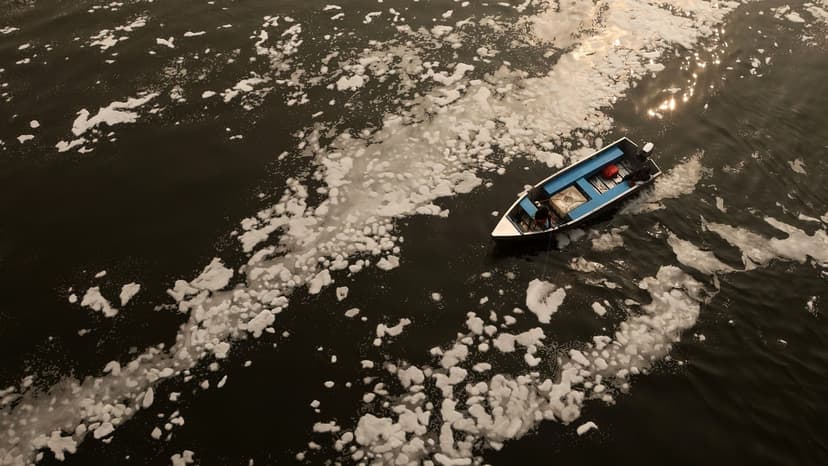
A recent study by TERI has pinpointed multiple hotspots along the Delhi stretch of the Yamuna River, where untreated sewage, industrial waste, and solid waste are leading to significant frothing, chemical contamination, and increased microplastic levels. The findings, presented to the Delhi government, highlight elevated concentrations of surfactants, organic pollutants, and ammonia.
The study's recommendations include continuous monitoring of key drains and treatment plants for microplastics, strict penalties for non-compliant facilities, and upgrading sewage treatment plants with advanced technologies. Environment Minister Manjinder Singh Sirsa has called for immediate action, directing departments to create time-bound plans and establish a specialized coordination cell to oversee Yamuna cleaning efforts.
Officials acknowledge a current lack of facilities to treat excess surfactants, a key driver of the river's foam. Environmental activists emphasize the need for a national policy to set limits on surfactant content in detergents and regulate their use at the manufacturing stage to effectively combat the persistent pollution problem in the Yamuna.