Home / Environment / Wood Stork Freed: Endangered Species Recovery Success
Wood Stork Freed: Endangered Species Recovery Success
16 Feb
Summary
- Wood stork population has significantly increased since 1984.
- The species breeds in the U.S. and has 10,000-14,000 nesting pairs.
- A 10-year monitoring plan ensures the species' continued recovery.
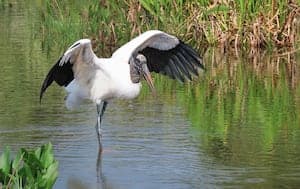
The wood stork is being removed from the federal list of endangered and threatened wildlife, marking a significant conservation success. This decision by the U.S. Fish and Wildlife Service comes after a substantial recovery in the bird's population and nesting colonies since it was first protected in 1984. Georgia is among the southern states where the wood stork is found.
The species, which is the only stork to breed in the United States, had faced near extinction, with its population declining by over 75% since the 1930s. Habitat loss, particularly in South Florida, was a primary cause of this decline. Today, an estimated 10,000 to 14,000 nesting pairs now thrive across about 100 colony sites, a dramatic increase from its protected status.
Officials credit successful conservation partnerships and results-driven wildlife management for the wood stork's comeback. The delisting is set to become final on March 9. To ensure the continued recovery, the U.S. Fish and Wildlife Service has established a 10-year post-delisting monitoring plan.
The wood stork has demonstrated adaptability, nesting in various environments including coastal salt marshes and human-created wetlands. Its range has expanded across the coastal plains of Mississippi, Alabama, Florida, Georgia, North Carolina, and South Carolina.