Home / Environment / Wombats: Nature's Underground Airbnb Saves Wildlife
Wombats: Nature's Underground Airbnb Saves Wildlife
31 Jan
Summary
- Wombat burrows provided crucial shelter for 56 species after Australian bushfires.
- Research confirmed burrow sites concentrated wildlife activity post-fire.
- Wombats act as ecosystem engineers, creating vital habitats for survival.
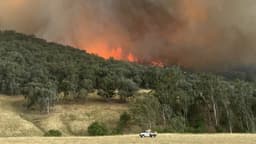
During Australia's catastrophic 2019-2020 Black Summer bushfires, wombat burrows proved to be indispensable refuges for a variety of wildlife.
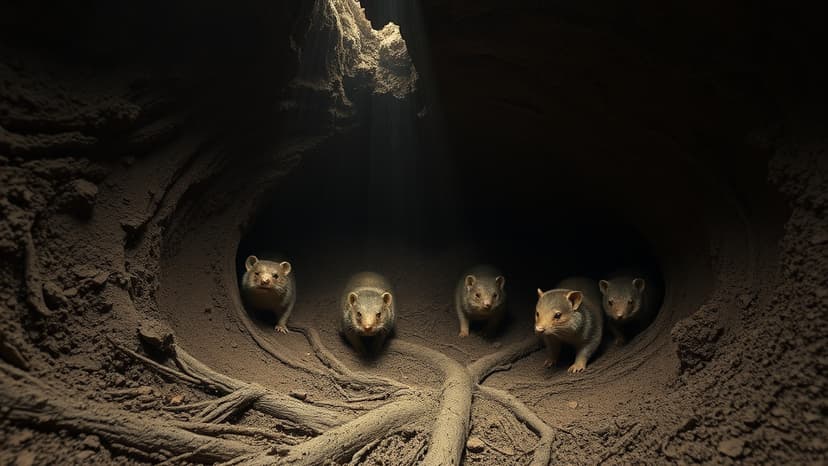
Contrary to viral claims of wombats actively escorting other animals to safety, research conducted after the fires provided concrete evidence of burrows serving as critical shelters. These substantial underground networks, often with entrances around 19 cm high and 23 cm wide, were found to persist through severe fires.
Subsequent monitoring from June 2021 to April 2022 revealed that burrow sites consistently attracted wildlife activity. Cameras documented over 15,000 individual animals from 56 different species utilizing these areas for shelter-related behaviors and safety, especially in the exposed landscape following the fires.
Species like wallabies, echidnas, and various small mammals were observed increasing their activity near burrow entrances. More directly, 31 species were recorded interacting with the burrows, engaging in activities such as inspecting, entering, foraging, and even drinking or bathing at the entrances.
Wombats, acting as natural ecosystem engineers, create these durable underground infrastructures. While not intentionally designed for other species, these burrows offer essential protection from predators and thermal stress in fire-affected landscapes, thereby preserving biodiversity in the face of increasing severe fire events.