Home / Environment / Wisconsin Farmers Overapply Nitrogen, Risking Public Health and Budgets
Wisconsin Farmers Overapply Nitrogen, Risking Public Health and Budgets
29 Sep, 2025
Summary
- Wisconsin farms applied 16 million pounds more nitrogen than needed in 2022
- Nitrate pollution affects health, raises costs for water utilities and private wells
- Dairy industry resists report's recommendations to address the problem
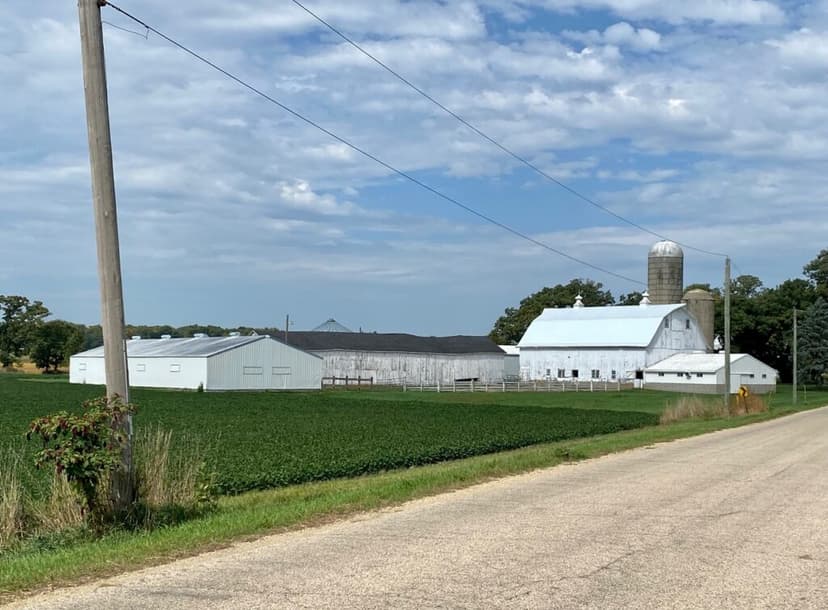
According to a recent report, Wisconsin farms applied approximately 16 million pounds more nitrogen than necessary to their fields in 2022, posing serious risks to public health and increasing costs for people who get their water from public utilities or private wells.
The report, released by Clean Wisconsin and Alliance for the Great Lakes, highlights the impact of this excess nitrogen application on residents. Kewaunee County resident Lisa Cochart, who owns a daycare center, says the mental toll of dealing with nitrate contamination in her well is "exhausting" and could even put her out of business.
The report makes several recommendations to address the issue, including tougher state standards for nitrates, improved enforcement of nutrient management plans, and the creation of a statewide registration system for manure haulers. It also proposes collecting data on the cost of nitrogen contamination to public water systems and expanding the state's existing private well compensation program.
However, the dairy industry has pushed back on the report's findings. Tim Trotter, CEO of the Dairy Business Association, claims that farmers are already doing enough voluntarily to address the problem. In the past, the association has even sued state regulators to weaken the state's ability to regulate pollution sources such as runoff.
The report states that the state Legislature and the courts have limited the authorities of state agencies, preventing them from doing all that is necessary to manage the contamination. It argues that voluntary incentives alone are not enough to solve Wisconsin's nitrate problems, and that the state needs to take stronger action to keep nitrates out of the groundwater in the first place.


