Home / Environment / Wildlife Suffers as Early Summer Fuels Dehydration Crisis
Wildlife Suffers as Early Summer Fuels Dehydration Crisis
19 Mar
Summary
- Dehydration cases in wildlife have significantly increased in early 2026.
- Birds are most affected, accounting for 67 of 78 March dehydration cases.
- Wildlife rescuers urge public to report animals in distress immediately.
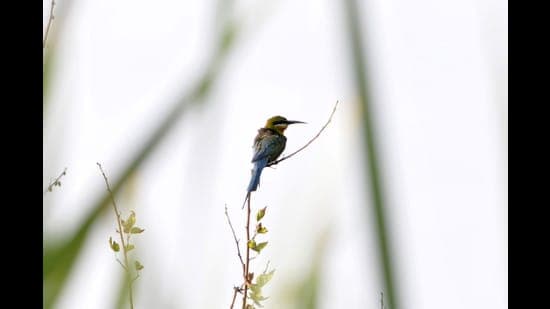
Wildlife is experiencing a growing impact from prolonged high temperatures and early summer conditions, leading to a steady rise in dehydration cases. Data from RESQ Charitable Trust indicates a notable increase in dehydration incidents in January and February 2026 compared to the same months in 2025. This trend has continued into March, with a concerning number of cases reported by mid-month.
Birds are disproportionately affected, constituting the majority of dehydration cases recorded so far this March. Experts attribute this heightened vulnerability to limited water sources and shrinking tree cover in urban environments. While reptiles and mammals also show signs of heat distress, birds are the most critically impacted.
Wildlife experts and rescuers emphasize the critical role of timely intervention in saving affected animals. Early reporting of distressed wildlife can lead to a good prognosis and successful release back into the wild. As temperatures are expected to climb further, there is growing concern over the pressure on urban fauna, highlighting the need for increased public awareness and support.