Home / Environment / Wildfire Smoke: A Toxic Threat to Health
Wildfire Smoke: A Toxic Threat to Health
8 Jul
Summary
- Fine wildfire smoke particles penetrate deep into lungs, causing inflammation.
- These particles can enter the bloodstream, affecting organs and fetal development.
- Burning structures release more toxic chemicals than natural wildfire smoke.
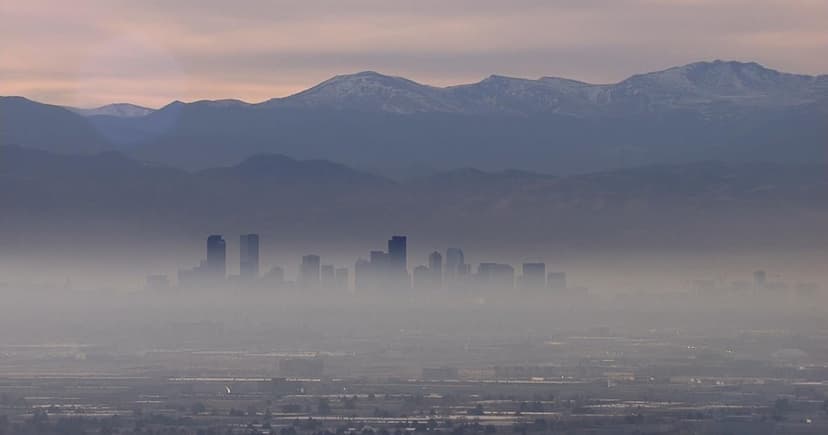
Colorado residents are experiencing heightened concern over the persistent smoke blanketing the region from recent wildfires. This smoke contains fine particulate matter that can bypass the body's natural defenses, reaching deep into the lungs.
These microscopic particles cause inflammation and oxidative stress, potentially entering the bloodstream and impacting various organs. Research indicates these particles have been found in the brain and placenta, and studies suggest links to cardiovascular issues and adverse effects on fetal development.
The toxicity of wildfire smoke is exacerbated when structures burn, releasing harmful chemicals from plastics and metals. Scientists emphasize there is no safe level of exposure, and air quality gains made under the Clean Air Act are being eroded by increased wildfire smoke.
To mitigate exposure, individuals can improve indoor air quality by using air purifiers with frequently changed filters or creating DIY air filters using box fans and furnace filters. Respirator masks like N95, KN95, and KF94 are recommended for outdoor protection during heavy smoke periods.


