Home / Environment / Wildfire Smoke Kills Thousands Annually in US
Wildfire Smoke Kills Thousands Annually in US
5 Feb
Summary
- Wildfire smoke exposure causes 24,100 deaths yearly in the US.
- Fine particulate matter from smoke lodges deep in lungs and bloodstream.
- Climate change and forest mismanagement worsen wildfire smoke health risks.
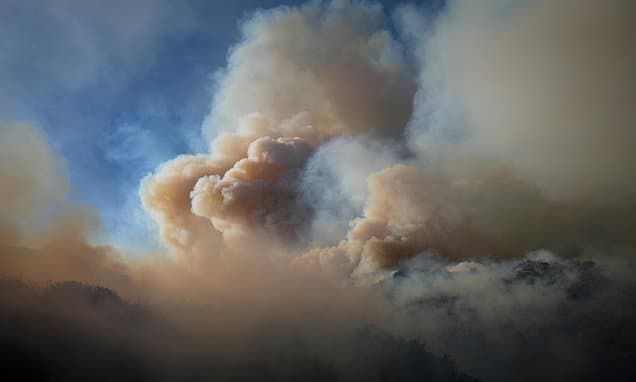
Wildfire smoke has been definitively linked to tens of thousands of premature deaths each year in the United States, according to a groundbreaking study published in Science Advances. Researchers found that long-term exposure to fine particulate matter (PM2.5) from wildfire smoke contributed to an average of 24,100 deaths annually across the lower 48 states between 2006 and 2020.
These microscopic particles are particularly dangerous as they can penetrate deep into the lungs and even enter the bloodstream. While short-term exposure causes immediate discomfort, chronic exposure exacerbates existing health conditions and can lead to severe respiratory illnesses, cardiovascular and neurological diseases, and ultimately, premature death. The increasing frequency and intensity of wildfires, driven by climate change and compounded by forest mismanagement, are escalating this public health crisis.
The study meticulously analyzed mortality data across U.S. counties, finding a statistically significant association between wildfire smoke PM2.5 exposure and deaths, particularly from neurological diseases. The researchers noted that the link was more pronounced during cooler seasons, and that rural communities and younger populations appeared more vulnerable. With every 0.1 microgram per cubic meter increase in PM2.5, approximately 5,594 additional deaths occurred annually.
Scientists emphasize that this quantified threat underscores the critical need for effective mitigation strategies and regulatory oversight for wildfire-sourced PM2.5, which is often not regulated as it's perceived as a natural disaster. The findings challenge the notion of such deaths being mere abstract statistics, emphasizing the real lives lost due to this growing environmental hazard.