Home / Environment / Why Orcas Rarely Attack Humans
Why Orcas Rarely Attack Humans
1 Mar
Summary
- Orcas have zero confirmed fatal wild attacks, unlike sharks.
- Orca hunting is precise, not based on 'test bites'.
- Sharks mistake humans for prey, especially surfers.

Orcas, despite their strength and predatory capability, have a remarkable record of zero confirmed fatal attacks on humans in the wild. This starkly contrasts with great white sharks, which are linked to dozens of fatalities throughout history, with several human deaths occurring annually across all shark species combined. The difference lies in hunting behavior and prey specialization. Orcas possess diverse, learned hunting strategies targeting specific animals like salmon or marine mammals, and humans do not fit their dietary profile.
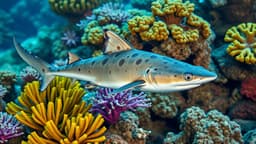
Their hunting is characterized by precision and teamwork, involving coordinated efforts to trap or disorient prey, rather than random 'test bites.' Great white sharks, conversely, often hunt alone using ambush tactics. Their teeth are designed for slicing, and a single bite can cause severe injury. Research suggests sharks may mistake surfers or swimmers for seals, a scenario unlikely for orcas using echolocation and social learning.
While orcas are found globally, from polar to tropical waters, and share habitats with sharks, their interactions with humans are exceptionally rare. This disproves the notion that orcas avoid people by living in remote areas. The danger posed by sharks is amplified by their hunting style and potential for mistaken identity, whereas wild orca encounters are driven by curiosity rather than predation, with most severe incidents occurring in captivity.