Home / Environment / Mountaintops: Why Snow Stays Despite Sun
Mountaintops: Why Snow Stays Despite Sun
12 Mar
Summary
- Atmosphere's greenhouse effect regulates Earth's temperature.
- Thinner air at higher altitudes results in colder temperatures.
- Snowy surfaces reflect sunlight, helping peaks stay frozen.
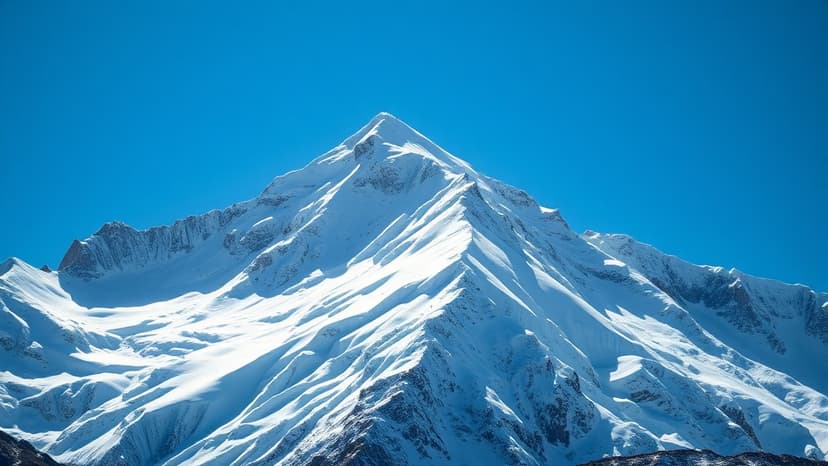
High mountaintops retain their dazzling year-round snowcaps, a phenomenon explained by a blend of atmospheric conditions and surface properties. The Earth's atmosphere acts as a natural shield, managing solar radiation and trapping heat through the greenhouse effect, a process that can be intensified by certain gases. As altitude increases, the atmosphere thins, meaning fewer gas molecules are present. This reduction in density means the air is colder and less effective at retaining warmth, causing temperatures to drop significantly with height. This cooling effect ensures that precipitation falls as snow rather than rain, maintaining the icy conditions. The presence of snow further aids in keeping these peaks frozen. Snowy surfaces are highly reflective, bouncing incoming solar rays back into space. This reflectivity, combined with the thinner, colder air at high elevations, allows peaks above the snow line to remain frozen throughout the year. These snowy summits not only contribute to river feed and weather patterns but also serve as a visual reminder of Earth's mechanisms for managing extreme temperatures, especially in the context of global warming concerns.