

Home / Environment / WHO Warns of Attacks Near Iran's Nuclear Sites
WHO Warns of Attacks Near Iran's Nuclear Sites
14 Apr
Summary
- WHO reports at least eight attacks near Iran's nuclear facilities.
- Even near-miss strikes risk radiation leaks causing genomic instability.
- Nuclear facilities are vulnerable, risking widespread radioactive contamination.
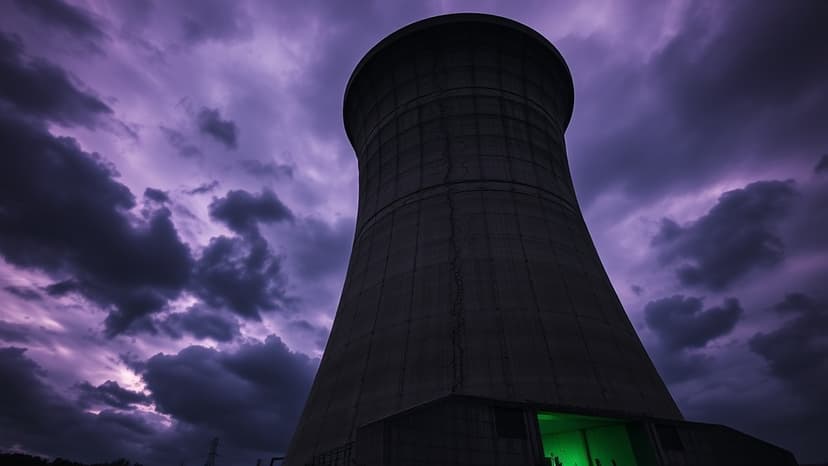
Recent warnings from the World Health Organization (WHO) highlight an alarming pattern of at least eight reported attacks near Iran's nuclear facilities. These incidents, some occurring as close as 75 meters away, have raised global concern due to the potential for catastrophic consequences, even without a direct hit.
Experts indicate that "near-miss" strikes can still trigger severe risks, including radiation leaks that may cause genomic instability. Nuclear facilities, while built with safety layers, are not equipped to withstand military attacks. Damage to containment systems could release radioactive materials into the environment, affecting large populations.
The WHO emphasizes the dangers of potential Chemical, Biological, Radiological, or Nuclear (CBRN) events. Radiological exposure is a primary concern, as radiation is invisible and can spread silently over distances. Children are particularly vulnerable to radioactive iodine absorption, with studies showing them to be up to 10 times more susceptible to thyroid carcinoma.
Environmental fallout from a nuclear incident can render land uninhabitable for decades, contaminate water sources, and impact the food chain. Past events like Chernobyl and Fukushima demonstrate the long-lasting and widespread effects of nuclear accidents. Prevention is paramount, as emergency preparedness cannot fully mitigate the impact of conflict-related nuclear incidents.
The risks extend beyond national borders, as radioactive particles can spread globally depending on weather patterns. Protecting nuclear facilities during conflicts is therefore a shared international responsibility.
