Home / Environment / Whitby Arch: Real Bones or Ethical Replica?
Whitby Arch: Real Bones or Ethical Replica?
31 Jan
Summary
- A historic whalebone arch in Whitby is rapidly decaying and needs replacement.
- Conservationists argue against using real whale bones, favoring replicas.
- Options include Alaskan whale bones or ethical, high-quality replicas.
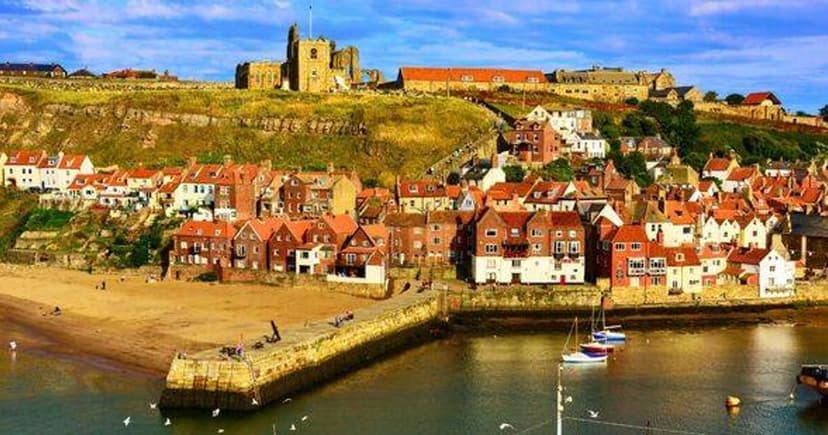
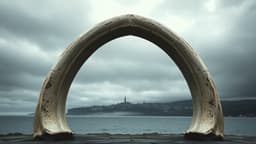
The historic whalebone arch in Whitby, a cherished landmark since 1853, is currently in a state of rapid decay, prompting urgent discussions about its replacement. The original arch was replaced in 2002 with bones from a Bowhead whale legally harvested by native Inuits in Barrow, Alaska, a twin town to Whitby.
Local authorities, including North Yorkshire Council, are exploring options for a new arch. These include obtaining bones from a whale caught by native Inuits in Alaska or using high-quality replica bones. Transporting real bones from the Arctic ice-shelf presents significant logistical challenges, including recovery and cleaning processes.
Wildlife conservationists, such as those from Whitby Wildlife Sanctuary, have voiced strong opposition to using real whale bones, regardless of their origin. They argue that such a practice normalizes the display of wildlife body parts and sends the wrong message amidst global conservation efforts for marine life.
Conservationists advocate for ethically sourced replica bones as a sustainable and responsible alternative. This approach, they contend, would preserve the arch's cultural importance while demonstrating modern respect for wildlife and environmental responsibility. North Yorkshire Council has indicated that while all options are being considered, a replica might be more sustainable, durable, and ethical.