Home / Environment / Whale Poop Reveals Surprising Climate Change Diet Shift
Whale Poop Reveals Surprising Climate Change Diet Shift
22 Jul
Summary
- Whale faeces analysis shows southern right whales can change their diet.
- This dietary flexibility may help them adapt to changing ocean conditions.
- Despite adaptation, climate change still poses a long-term threat.
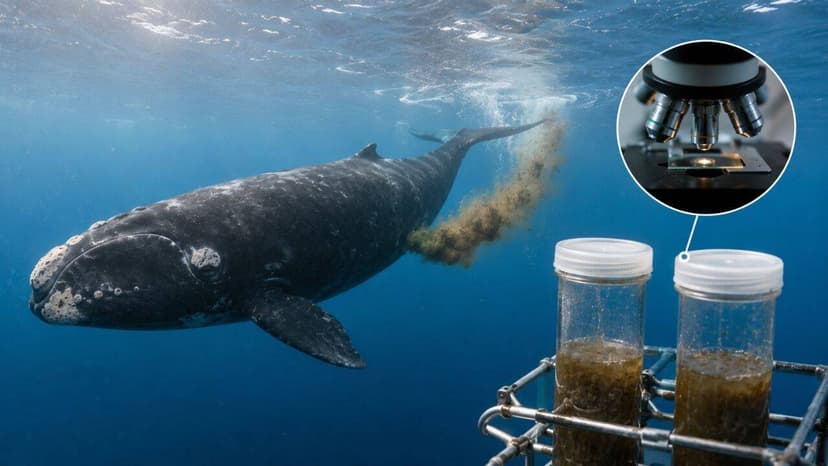
Recent scientific analysis of southern right whale faeces indicates a surprising adaptability to climate change impacts on their food supply. For years, concerns have mounted that warming oceans would diminish food sources for many whale species, including southern right whales, which depend on sensitive planktonic organisms.
However, the study of whale droppings suggests these whales are not passive victims of environmental shifts. Researchers found evidence that when their primary prey diminishes, southern right whales can broaden their diet to include other available food sources. This behavioral flexibility offers a potential mechanism for coping with fluctuating food availability.
This dietary adaptability does not negate the threat of climate change. Scientists warn that continued ocean warming could still lead to conditions beyond the whales' capacity to adjust, potentially disrupting entire marine food webs. Furthermore, southern right whales face other human-induced pressures, such as ship strikes and fishing gear entanglement.
The findings also highlight the crucial role whales play in nutrient cycling, often referred to as the "whale pump." Their faeces return vital nutrients to surface waters, supporting phytoplankton growth, which in turn sustains zooplankton and the broader marine ecosystem. Phytoplankton also play a critical role in absorbing carbon dioxide and producing oxygen, underscoring the interconnectedness of marine life and climate systems.


