Home / Environment / Western US Chokes on Smoke and Smog
Western US Chokes on Smoke and Smog
27 Jul
Summary
- Unhealthy air conditions impacted Oregon, Idaho, Washington, Montana, Colorado, and California.
- Fine particulate matter (PM2.5) from wildfire smoke poses a significant health risk.
- Ground-level smog, not smoke, caused pollution concerns in Colorado and California.
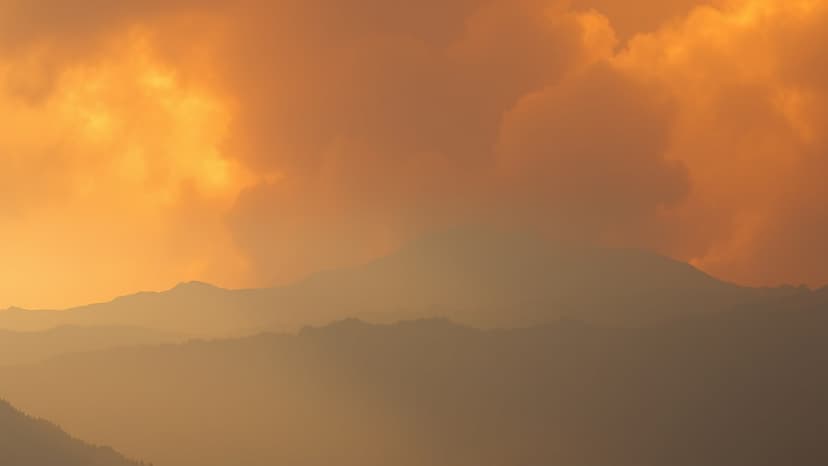
Large areas of the western United States experienced air quality alerts on Sunday, July 27, 2026, due to a combination of wildfire smoke and elevated ozone levels. Data from the EPA's AirNow platform indicated widespread "unhealthy" air or worse across Oregon, Idaho, Washington, Montana, Colorado, and California.
The primary health concern stemmed from fine particulate matter (PM2.5), which can deeply penetrate lung tissue. Central and eastern Oregon faced the most severe pollution, with some areas reaching the "Hazardous" category. Alerts also stretched across Idaho, with "unhealthy" and "very unhealthy" conditions reported.
Washington and Montana also grappled with wildfire smoke impacting air quality. In contrast, pollution in Colorado and California was attributed to ground-level smog, driven by hot weather conditions. State forecasters issued Ozone Action Day alerts for the Denver metro area and parts of Los Angeles County.
Officials advised residents in affected areas to remain indoors, limit outdoor activities, and monitor local Air Quality Index (AQI) readings. Forecasts indicated a potential improvement in Oregon's air quality, while smoke impacts were expected to shift further into Idaho and Washington. Vulnerable populations were strongly advised to minimize outdoor exertion.


