Home / Environment / Hidden Ecosystems of Western Ghats Threatened
Hidden Ecosystems of Western Ghats Threatened
9 Jan
Summary
- Western Ghats host unique ecosystems beyond forests, now endangered.
- Lateritic Plateaus transform into flower valleys, some plants eat insects.
- Myristica swamps are primitive habitats for rare creatures.
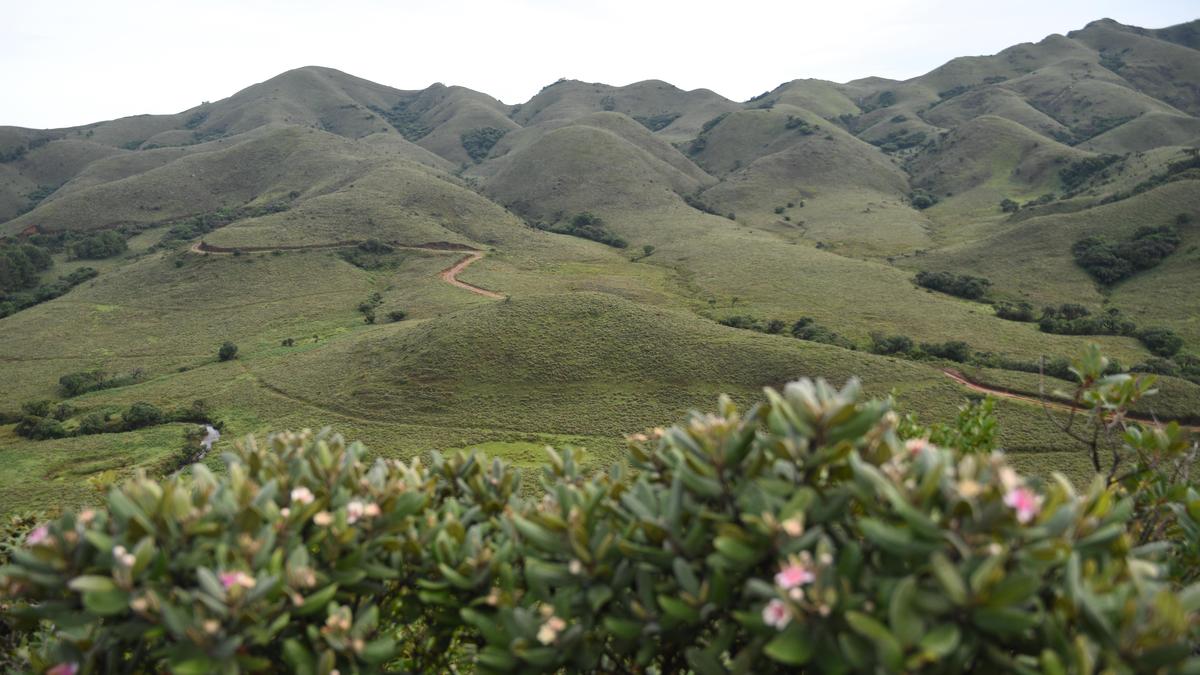
The Western Ghats, an iconic Indian landscape, are home to diverse and unique ecosystems beyond their well-known evergreen forests. These specialized habitats, including sholas, lateritic plateaus, and Myristica swamps, are now facing significant threats from human activities such as mining and agricultural expansion, jeopardizing a crucial part of India's natural heritage.
The shola ecosystem, characterized by rolling grasslands and dense forests, thrives at various altitudes in South India, supporting endemic species like the Nilgiri Sholakili. Meanwhile, lateritic plateaus, notably in Maharashtra and Goa, undergo a dramatic transformation during the monsoon, becoming vibrant meadows. These plateaus host insectivorous plants and provide critical breeding grounds for rare amphibians.
Myristica swamps, found predominantly in the Western Ghats, are ancient, waterlogged habitats dominated by distinctive trees. They shelter a unique array of creatures, including the endemic Myristica Bambootail Damselfly and various frog species. Moist deciduous forests within the Western Ghats also support significant wildlife, including tigers and the endangered Nilgiri Langur.