Home / Environment / Western Ghats: A Haven of Unique Life
Western Ghats: A Haven of Unique Life
25 Feb
Summary
- Western Ghats host unique endemic species found nowhere else.
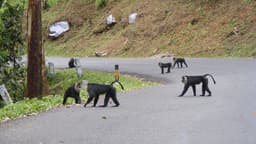
- Lion-tailed macaques inhabit evergreen rainforests of South India.
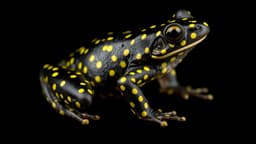
- Amboli toad, critically endangered, found only in Maharashtra.
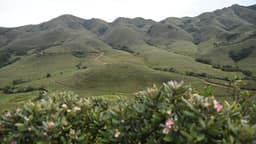
The Western Ghats, a mountain range spanning over 1,600 kilometers along India's west coast, is recognized globally for its exceptional biodiversity. This ancient region, older than the Himalayas, is a UNESCO World Heritage Site and a critical ecological zone for peninsular India.
Its remarkable endemism means many species of amphibians, reptiles, plants, and some mammals and birds exist only within this unique geographical area. Isolated valleys and dense rainforests have fostered the evolution of these specialized species over millions of years.
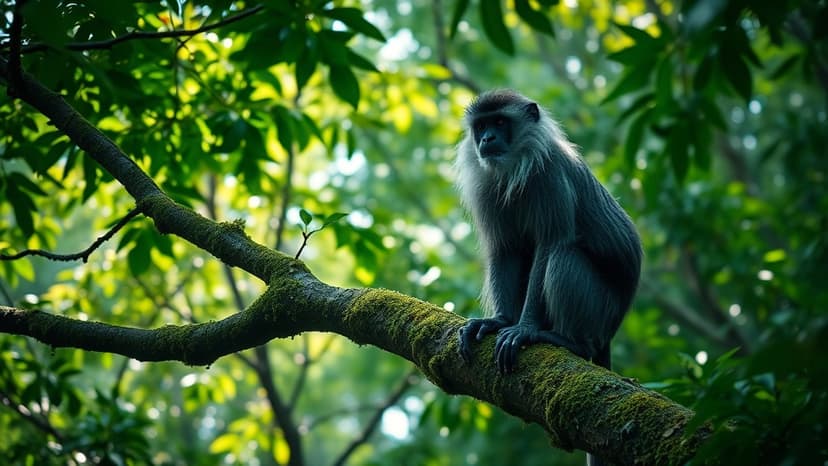
Among the endemic inhabitants are the lion-tailed macaque, found in the rainforests of Kerala, Karnataka, and Tamil Nadu. The Nilgiri tahr, adapted to high-altitude grasslands, is another notable species. Striking wildlife also includes the Malabar giant squirrel, inhabiting evergreen forests.
More vulnerable species include the Amboli toad, discovered in 2010 and critically endangered due to its limited range in Maharashtra. The Nilgiri wood pigeon, a large forest pigeon classified as Vulnerable, prefers dense, high-elevation forests in Kerala, Tamil Nadu, and Karnataka.