

Home / Environment / West Drought Worsens: Snowpack Vanishes, Wildfire Risk Soars
West Drought Worsens: Snowpack Vanishes, Wildfire Risk Soars
29 Mar
Summary
- Record heat and minimal snowpack exacerbate Western drought conditions.
- Snowpack, a key water source, has significantly diminished across the West.
- Elevated wildfire risk is occurring earlier than usual due to dry conditions.
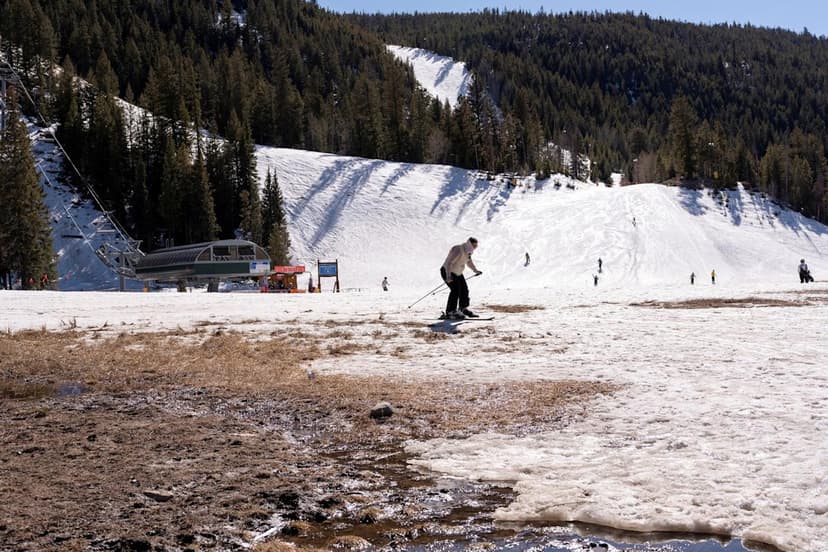
The Western United States is facing a severe drought exacerbated by record-breaking temperatures and a critically low winter snowpack. This situation is leading to reduced water supplies and an increased risk of wildfires.
Much of the West is experiencing a "snow drought," with snowpack levels significantly below average. This is a crucial issue, as snowpack acts as a natural reservoir, providing up to 75 percent of water supplies in some states. The lack of snowpack means less water for critical economic sectors and a diminished capacity to meet water demands later in the year.
The Colorado River Basin, which supplies water to over 40 million people, is experiencing record-low season-to-date snowpack. Reservoirs like Lake Powell are well below average, raising concerns about water availability. Denver Water has already implemented water restrictions, a measure not seen since 2013, due to deteriorating snowpack levels.
Experts warn that elevated wildfire risk is likely to persist through spring and summer across the West. Dry vegetation, a consequence of low snowpack and record March heat, is priming the region for an earlier and potentially more intense fire season. While the overall wildfire risk is near average through May, it is expected to increase across the Four Corners region in June.
