feedzop-word-mark-logo
searchLogin
Feedzop
homeFor YouIndiaIndia
You
bookmarksYour BookmarkshashtagYour Topics
Trending
Terms of UsePrivacy PolicyAboutJobsPartner With Us

© 2026 Advergame Technologies Pvt. Ltd. ("ATPL"). Gamezop ® & Quizzop ® are registered trademarks of ATPL.

Gamezop is a plug-and-play gaming platform that any app or website can integrate to bring casual gaming for its users. Gamezop also operates Quizzop, a quizzing platform, that digital products can add as a trivia section.

Over 5,000 products from more than 70 countries have integrated Gamezop and Quizzop. These include Amazon, Samsung Internet, Snap, Tata Play, AccuWeather, Paytm, Gulf News, and Branch.

Games and trivia increase user engagement significantly within all kinds of apps and websites, besides opening a new stream of advertising revenue. Gamezop and Quizzop take 30 minutes to integrate and can be used for free: both by the products integrating them and end users

Increase ad revenue and engagement on your app / website with games, quizzes, astrology, and cricket content. Visit: business.gamezop.com

Property Code: 5571

Home / Environment / Western Disturbances Shift: Climate Change Alarms Himalayas

Western Disturbances Shift: Climate Change Alarms Himalayas

11 Feb

•

Summary

  • Western Disturbances now active in pre-monsoon months, not just winter.
  • Shift increases risks of flash floods and landslides in fragile mountain terrain.
  • Climate warming reshapes timing, structure, and impact of weather systems.
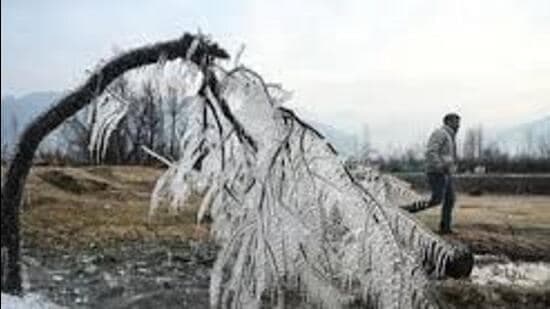
Western Disturbances Shift: Climate Change Alarms Himalayas

A groundbreaking study by IIT Roorkee indicates a significant alteration in the behavior of Western Disturbances (WDs), a vital weather system for the Himalayas. These disturbances are increasingly active during the pre-monsoon season (March-May), a departure from their traditional winter role.

This seasonal shift heightens the risk of extreme weather events like flash floods and landslides in the ecologically sensitive mountainous regions. Researchers analyzing over seven decades of data observed WDs traveling longer distances, accumulating more moisture, and triggering intensified precipitation outside the typical winter window.

These findings underscore the urgent need to update climate models and disaster management strategies. The study suggests that climate warming is not only intensifying extreme weather but also reshaping large-scale atmospheric patterns. This has profound implications for water resources and disaster vulnerability across the Himalayas and adjacent areas.

trending

Salesforce lays off 1000

trending

India US trade tariffs slashed

trending

Margot Robbie's Wuthering Heights panned

trending

CBSE board exams: key details

trending

Jana Nayagan movie court case

trending

Dhakshineswar Suresh Davis Cup hero

trending

Deepika Padukone wears Gaurav Gupta

trending

NZ vs UAE match prediction

trending

iPhone 17 Croma Valentine's sale

Disclaimer: This story has been auto-aggregated and auto-summarised by a computer program. This story has not been edited or created by the Feedzop team.
The study found that Western Disturbances are becoming increasingly active during the pre-monsoon months, shifting from their traditional winter season.
The shift increases the risks of flash floods, landslides, and extreme rainfall events in the Himalayan region, impacting water availability and disaster vulnerability.
Climate warming is intensifying extreme weather events and reshaping the timing, structure, and impact of Western Disturbances, leading to changes in precipitation patterns.

Read more news on

Environmentside-arrow

You may also like

India's Forests: A Birdwatcher's Paradise

8 Feb • 25 reads

article image

Uttarakhand's Bare Peaks: A Climate Crisis Unfolds

20 Jan • 122 reads

article image

Himalayas Parched: January Snowfall Vanishes

11 Jan • 188 reads

article image

Winter War: Himalayas Become High-Altitude Battleground

10 Jan • 199 reads

article image

Rare Tragopan's Fight: Captive Breeding vs. Wild Survival

11 Dec, 2025 • 284 reads

article image