Home / Environment / West Faces Snow Drought: Rain Replaces Winter's Vital Snowpack
West Faces Snow Drought: Rain Replaces Winter's Vital Snowpack
16 Jan
Summary
- Western US snowpack is significantly below average due to unseasonably warm temperatures.
- Lack of snow threatens winter industries, irrigation, and water supplies.
- Colorado River reservoirs are critically low despite recent precipitation.
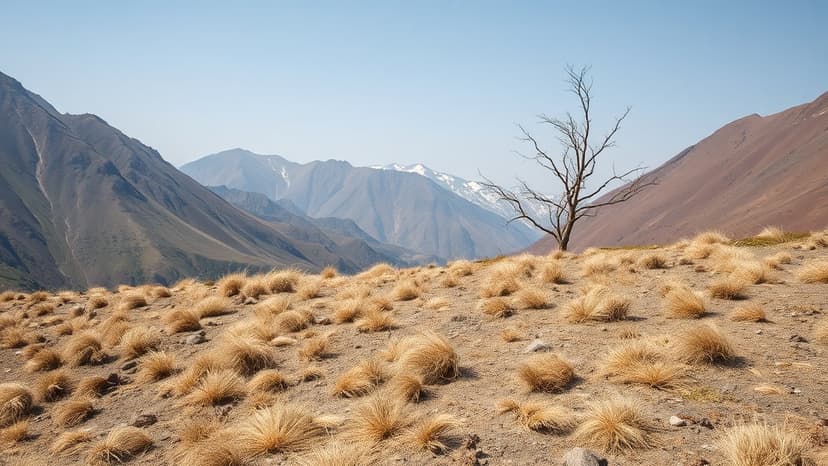
Unseasonably warm temperatures across the Western United States have led to a significant "snow drought," with precipitation largely arriving as rain rather than snow. As of January 1, approximately 379,000 acres were snow-covered, a stark decrease from the typical 1.46 million acres. This deficit impacts crucial water storage, as snowpack acts as the primary winter reservoir for summer needs.
The consequences of this "snow drought" extend to various sectors. Winter industries reliant on snow face diminished revenue, while farmers anticipate reduced water flow for irrigation. Municipal water supplies, fisheries, and wildlife are also affected by diminished streamflow. Despite recent rainfall alleviating drought conditions on the surface, the lack of snowpack poses long-term water scarcity risks.
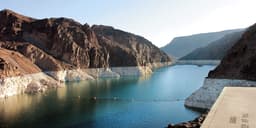
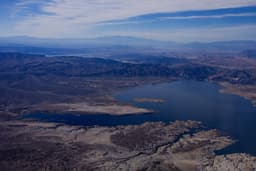
Notably, the Colorado River Basin is struggling, with reservoirs like Lake Mead and Lake Powell at critically low capacities (33% and 26% respectively). This situation intensifies negotiations among states relying on the river for water, as federal agencies consider imposing management guidelines if an agreement isn't reached by October 1, 2026.