feedzop-word-mark-logo
searchLogin
Feedzop
homeFor YouIndiaIndia
You
bookmarksYour BookmarkshashtagYour Topics
Trending
Terms of UsePrivacy PolicyAboutJobsPartner With Us

© 2026 Advergame Technologies Pvt. Ltd. ("ATPL"). Gamezop ® & Quizzop ® are registered trademarks of ATPL.

Gamezop is a plug-and-play gaming platform that any app or website can integrate to bring casual gaming for its users. Gamezop also operates Quizzop, a quizzing platform, that digital products can add as a trivia section.

Over 5,000 products from more than 70 countries have integrated Gamezop and Quizzop. These include Amazon, Samsung Internet, Snap, Tata Play, AccuWeather, Paytm, Gulf News, and Branch.

Games and trivia increase user engagement significantly within all kinds of apps and websites, besides opening a new stream of advertising revenue. Gamezop and Quizzop take 30 minutes to integrate and can be used for free: both by the products integrating them and end users

Increase ad revenue and engagement on your app / website with games, quizzes, astrology, and cricket content. Visit: business.gamezop.com

Property Code: 5571

trending

RBI objections: Manappuram shares fall

trending

SSC CGL result released

trending

Galaxy Z Fold 8 release

trending

AIIMS INI CET Result

trending

Gabion Technologies IPO Oversubscribed

trending

APTEL hears IEX coupling case

trending

MANUU rejects PPP infrastructure plans

trending

WPL 2026 set kickoff

trending

Sunrisers Eastern Cape victorious

Home / Environment / CES Gadgets Hide Huge Environmental Threat

CES Gadgets Hide Huge Environmental Threat

7 Jan

•

Summary

  • Wearable health devices could produce over a million tons of e-waste.
  • Printed circuit boards cause 70% of a device's carbon footprint.
  • Modular designs and common metals could reduce environmental impact.

CES Gadgets Hide Huge Environmental Threat

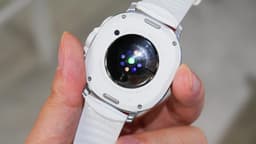
Tech companies at CES 2026 in Las Vegas are showcasing the latest in wearable health technology, including glucose monitors and fitness trackers. However, these innovations may be contributing to a substantial environmental issue. A recent study predicts that by 2050, annual demand for health wearables could reach 2 billion units, a forty-two-fold increase from current levels.

Without changes in manufacturing, these devices are projected to generate over a million tons of electronic waste and 100 million tons of carbon dioxide between now and 2050. The study, published in Nature, highlights that the primary environmental concern stems not from plastic casings, but from the printed circuit board, which accounts for 70% of a device's carbon footprint due to resource-intensive mining and production processes.

Researchers propose solutions such as developing chips from common metals like copper instead of rare minerals, and designing devices with modular components. This would allow circuit boards to be reused while outer parts are replaced, significantly reducing waste and carbon emissions as these technologies become globally prevalent.


Disclaimer: This story has been auto-aggregated and auto-summarised by a computer program. This story has not been edited or created by the Feedzop team.
Wearable health devices may create a significant electronic waste and carbon dioxide problem by 2050 due to high demand and manufacturing processes.
Printed circuit boards are the 'brains' of devices and account for 70% of their carbon footprint due to intensive mining and manufacturing.
Solutions include using common metals for chips and designing modular devices for component reuse to lessen e-waste.

Read more news on

Environmentside-arrowLas Vegasside-arrow

You may also like

Chinese AI Glasses Surge at CES

19 hours ago • 43 reads

article image

Smart Nails Change Color Instantly

7 hours ago • 2 reads

article image

CES: AI Health Gadgets Promise More Than They Deliver?

1 day ago • 5 reads

article image

AI Drives Auto Future at CES: Beyond EVs

5 Jan • 34 reads

article image

Samsung's New Feature Detects Early Dementia Signs

2 Jan • 34 reads

article image