Home / Environment / Gender Equality Flows with Access to Safe Water
Gender Equality Flows with Access to Safe Water
25 Mar
Summary
- 2.1 billion people lack safe drinking water globally.
- Women manage water but are excluded from decision-making.
- India's women farmers are vital for climate-resilient agriculture.
World Water Day on March 22nd focused on "Water and gender," emphasizing that where water flows, equality grows. This theme underscores the vital connection between gender equality and water access, advocating for women's leadership in water management.
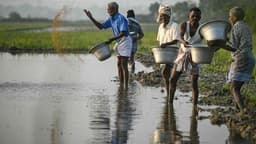
Globally, 2.1 billion people still lack safe drinking water, with women and girls bearing the brunt of the crisis through compromised education, health, and economic opportunities. Despite managing water resources, they are often excluded from decision-making bodies.
In India, women are increasingly vital in agriculture due to male migration. Recognized by the UN's 2026 International Year of the Woman Farmer, these women manage irrigation and farming. However, they face limited access to land, credit, and technology, despite constituting 41% of the agri-food workforce.
India's vulnerability to climate change exacerbates these issues, threatening livelihoods and food security, with women being the primary victims. Projects like the National Mission for Sustainable Agriculture aim to enhance climate-resilient agriculture, with a special focus on empowering women in water and crop management.
The "Crossing Boundaries Project" in South Asia has trained approximately 200 women water professionals in integrated water resources management, enhancing their capacity for decision-making in water governance.