Home / Environment / Wasp Crisis: Summer 2026 Sees Mysterious Decline
Wasp Crisis: Summer 2026 Sees Mysterious Decline
29 Jul
Summary
- Social wasps are unusually scarce in summer 2026.
- Extreme weather may have impacted queen survival and wasp size.
- Wasps are vital for pest control, pollination, and decomposition.
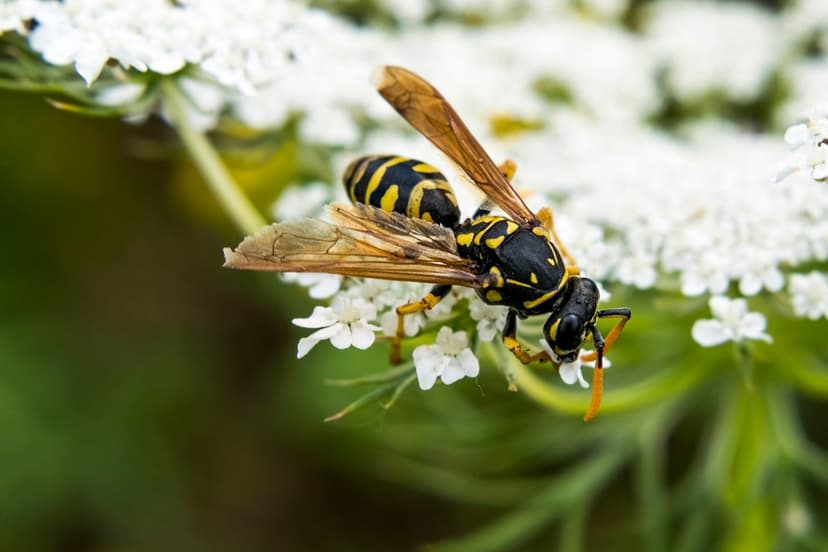
Summer 2026 is experiencing an unprecedented scarcity of common social wasps, a phenomenon noted by biologists and seemingly confirmed by a quiet season for pest-control services. This lack of wasp activity contrasts sharply with previous warmer years. While definitive data from the Big Wasp Survey is pending, anecdotal evidence suggests a significant decline.
The unusual spring weather, characterized by heatwaves interspersed with cold spells, may have affected the survival of new queens starting their nests. Subsequently, multiple heatwaves during the summer could have pushed insects like wasps beyond their critical thermal maximum (CTmax) of approximately 45°C, leading to heat stress and smaller adult sizes.
This reduction in wasp numbers is concerning due to their ecological importance. Wasps serve as vital pest controllers, pollinators, and decomposers within ecosystems. Their resilience to extreme weather, owing to thermoregulation and nest architecture, may have been insufficient against the recent environmental extremes.
Observations of smaller-than-usual wasps suggest issues with larval nutrition or direct heat effects during development. This shrinking trend aligns with long-term observations linked to global warming. The public is advised to observe wasps cautiously, as they may be seeking protein for their brood or sugar for sustenance.


