Home / Environment / Washington's Snow Drought: A Glimpse into Future Winters
Washington's Snow Drought: A Glimpse into Future Winters
17 Feb
Summary
- Washington's snowpack is lower than 95% of all historical years.
- Low snowpack threatens drinking water supply and increases wildfire risk.
- Warm winter rains, not snow, contribute to the current snow drought.
Washington is currently facing a concerning snow drought, with statewide snowpack levels falling below 95% of historical records. This anomaly is attributed to unusually warm winter temperatures and a lack of precipitation accumulating as snow. As of February 2026, this trend has led to a significant deficit, requiring an unprecedented amount of snowfall to reach normal levels by April 1.
The consequences of this snow drought extend to critical resources. Reduced snowmelt will impact reservoir levels, potentially leading to water supply issues and voluntary or mandatory conservation measures by late summer. This mirrors challenges faced in 2015, when a similar snow drought exacerbated wildfire intensity and agricultural losses, also affecting ski resorts.
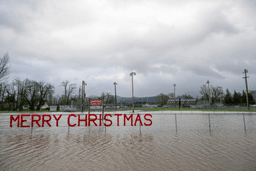
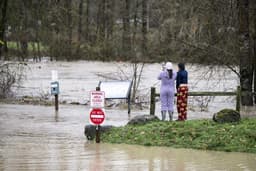
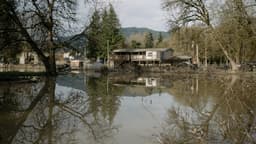
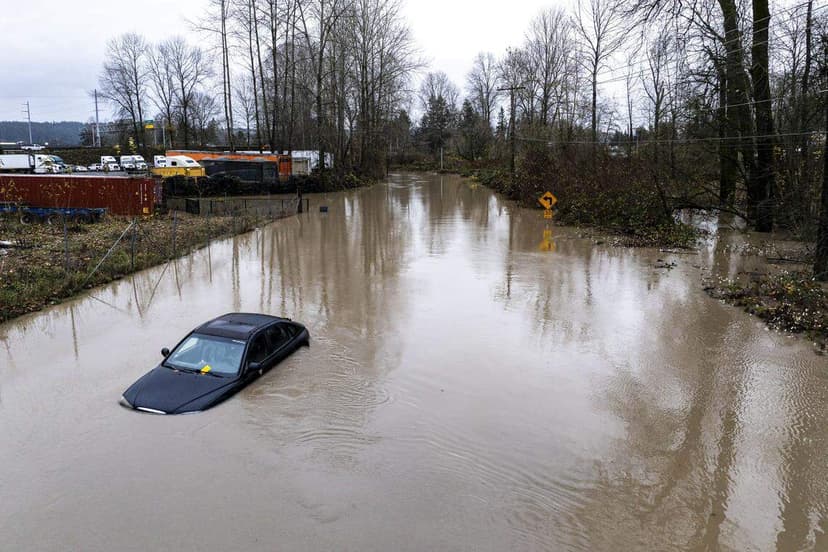
While some lowland snow is possible, significant accumulation in areas like Seattle and Tacoma remains improbable, with less than a 10% chance of even one inch. December's heavy rainfall, fueled by atmospheric rivers, contributed to flooding but was too warm to build substantial snowpack. Experts suggest this pattern, while not solely attributable to climate change, exemplifies the type of winters that may become more common.
The current weather pattern, characterized by warmer-than-average temperatures across the western U.S., also contributes to phenomena like dense radiation fog in low-lying areas. Climatologists anticipate that while total winter precipitation may not decrease, a greater proportion will fall as rain, underscoring the need for future climate resilience planning.