
Home / Environment / War's Toxic Shadow: Pollution Outlives Bombs
War's Toxic Shadow: Pollution Outlives Bombs
24 May
Summary
- War's pollution affects health, water, and soil long after fighting ceases.
- Burning fuel tanks and oil spills release toxic particles and residues.
- Military emissions are a significant, often uncounted, carbon footprint.
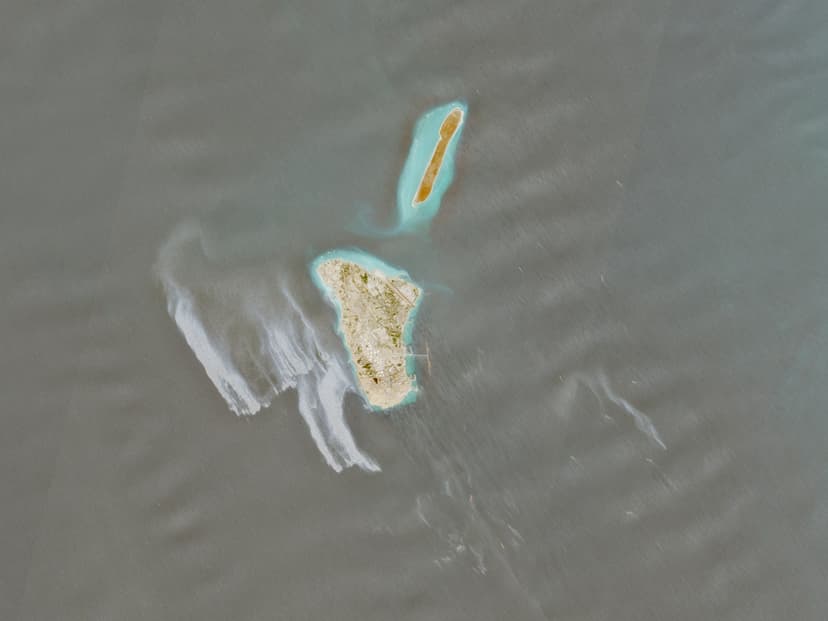
Wars inflict devastating environmental damage that extends far beyond immediate destruction, creating lasting health consequences.
Attacks on energy infrastructure, such as burning fuel tanks and oil spills, release toxic particles and residues into the air, water, and soil. The 1991 Gulf War serves as a stark example, with extensive oil well fires causing widespread pollution and leading to over $50 billion in compensation for damages.
Ongoing conflicts, like the one in Ukraine, demonstrate the broad environmental toll, with contamination affecting air, rivers, and farmland. Fossil fuel systems are particularly vulnerable, releasing carcinogenic gases and residues when damaged. Moreover, conflicts disrupt environmental oversight, leaving communities exposed to pollution.
Military operations themselves contribute significantly to greenhouse gas emissions, estimated at 5.5 percent of global emissions in 2022, largely from fossil fuel consumption, yet these emissions are not comprehensively accounted for internationally.
Beyond fossil fuels, conflict also leads to deforestation as populations turn to charcoal and firewood. Bombardment pulverizes structures, releasing dust laced with heavy metals and toxins, and the subsequent reconstruction of cities generates substantial carbon emissions through cement and steel production.
While renewable energy systems can be damaged, their environmental footprint is fundamentally different, avoiding toxic spills and fires. Rebuilding with renewables can reduce both the toxic aftermath and global economic shocks linked to energy supply disruptions.
