
Home / Environment / Warming Seas Fuel Invasive Species Surge, Threatening Marine Ecosystems
Warming Seas Fuel Invasive Species Surge, Threatening Marine Ecosystems
30 Sep, 2025
Summary
- Mediterranean hit by longest heatwave in 40 years
- Invasive blue crabs and bearded fireworms multiply rapidly
- Mussel production collapses by 75-100% in some Italian lagoons
- Fireworms damage fishing gear and reduce seafood value
According to a report by the European Union's Copernicus Marine Service, warming seas are fueling the rapid spread of invasive species that threaten marine life and fisheries, particularly in the Mediterranean region. From May 2022 to early 2023, the Mediterranean went through its longest marine heatwave in four decades, with surface temperatures up to 4.3°C above normal.
Scientists examined the impact of this extreme heat on two invasive species - the Atlantic blue crab and the bearded fireworm. In the Po River delta in northern Italy and along the Sicilian coast, the surge in blue crabs, which feed on shellfish, caused mussel production to collapse by 75 to 100 percent in some lagoons in 2023. The fast-breeding predator appears to have been boosted by the warmer waters, threatening seafloor habitats and upsetting the balance of the ecosystem.
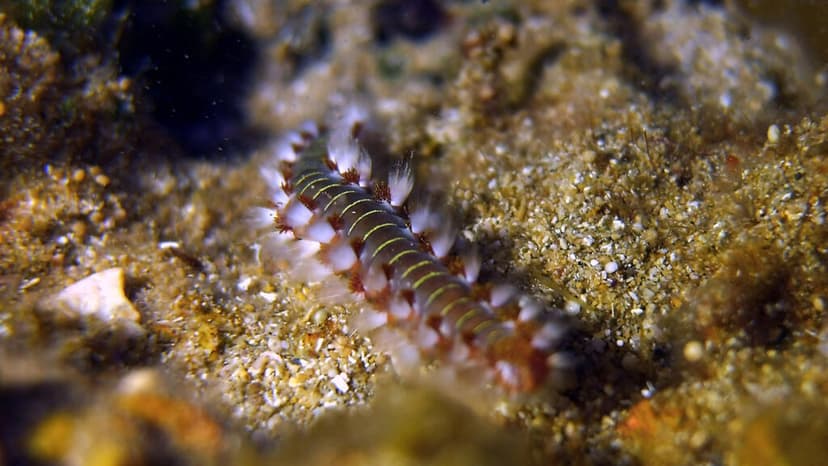
The bearded fireworm, a native Mediterranean species that can grow up to 70 centimetres long and live for nine years, also multiplied as the sea warmed. Its venomous bristles have become a serious problem for small-scale fishers in Sicily, consuming bait, breaking secondary lines attached to hooks, and damaging fish, which reduces their market value.
Beyond these invasive species, the report warns that oceans face multiple other pressures, including rising acidification, growing plastic pollution, and shrinking sea ice. The speed of these changes is unprecedented in human history, and scientists call for urgent action to restore the balance between humanity and the ocean.
