Home / Environment / War's Toxic Fallout: Weather Altered by Conflict
War's Toxic Fallout: Weather Altered by Conflict
25 Mar
Summary
- Warfare releases hazardous pollutants, altering local weather patterns.
- Explosions and fires create toxic fog and smog, darkening skies.
- Acid rain from war pollution damages crops and pollutes water sources.
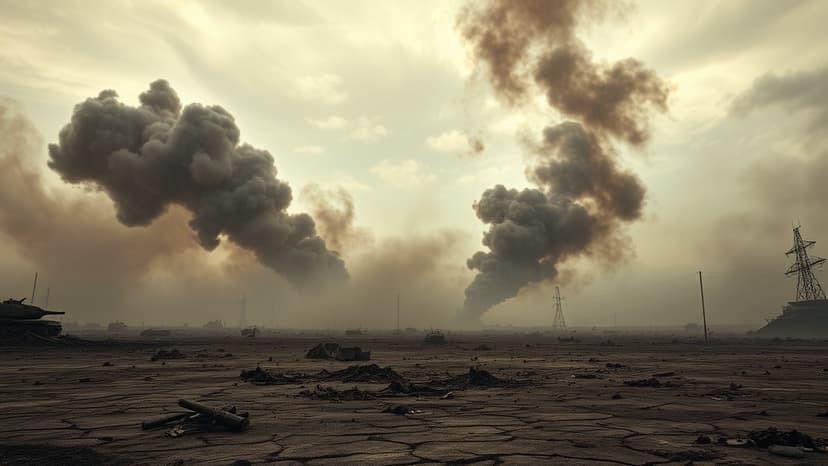
The environmental consequences of warfare extend to drastic alterations of local weather and the broader climate system. Military activities release significant amounts of hazardous pollutants, including carbon monoxide, nitrogen oxides, and sulfur dioxide, into the atmosphere. These emissions contribute to both immediate weather changes and long-term climate change.
Large-scale fires from damaged industrial facilities or oil wells can generate dense, toxic smog and suffocating fog that can persist for days or even weeks. These "black skies" events, characterized by extreme pollution, have been documented during past conflicts, impacting visibility and local atmospheric conditions.
Furthermore, war contributes to acid rain when released gases like sulfur dioxide and nitrogen oxides react with atmospheric moisture. This acidic precipitation can inflict damage on agricultural crops, contaminate vital water sources such as lakes and rivers, and negatively affect human and animal health.