


Home / Environment / Wakehurst's 5-Year Mission to Save Pollinators
Wakehurst's 5-Year Mission to Save Pollinators
29 Apr
Summary
- Research identifies trees as crucial early pollen sources for insects.
- Over 110 bee species and 90 moth species were identified at Wakehurst.
- AI monitors bees and moths, while bioacoustics track insect sounds.
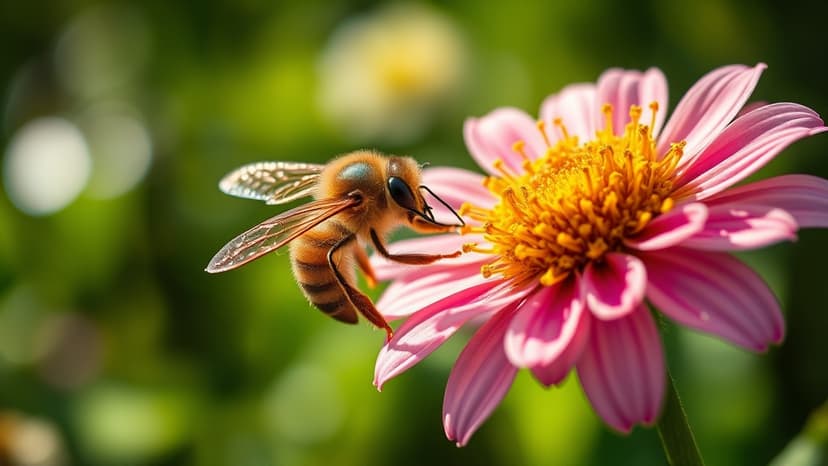
Wakehurst botanical gardens is celebrating five years of groundbreaking research aimed at increasing pollinator insect populations. Launched in 2021, the Nature Unlocked program seeks solutions for climate change, nature recovery, and biodiversity loss. A key focus is identifying plants most beneficial for supporting bees, wasps, butterflies, and moths.
Recent monitoring from March 2023 to October 2025 identified 2,100 insects, including over 110 bee species and 90 moth species. Researchers are employing novel techniques, concentrating on trees as vital sources of pollen and nectar early in the season, diverging from traditional wildflower meadow studies. This research is also guiding urban development.
Innovative technologies are central to the project, including bioacoustics monitors to record insect sounds and AI-powered cameras to observe foraging behavior at night. The upcoming Wakehurst Ecosystem Observatory will further enable scientists and citizen scientists to study various habitats and ecosystem responses to change.
