Home / Environment / Venice's Salty Future: Wild Herbs Rise
Venice's Salty Future: Wild Herbs Rise
21 Dec, 2025
Summary
- Rising sea levels and salinity threaten traditional Venetian crops.
- Scientists and chefs explore forgotten wild herbs, known as halophytes.
- Halophytes offer a resilient, edible solution to climate change impacts.
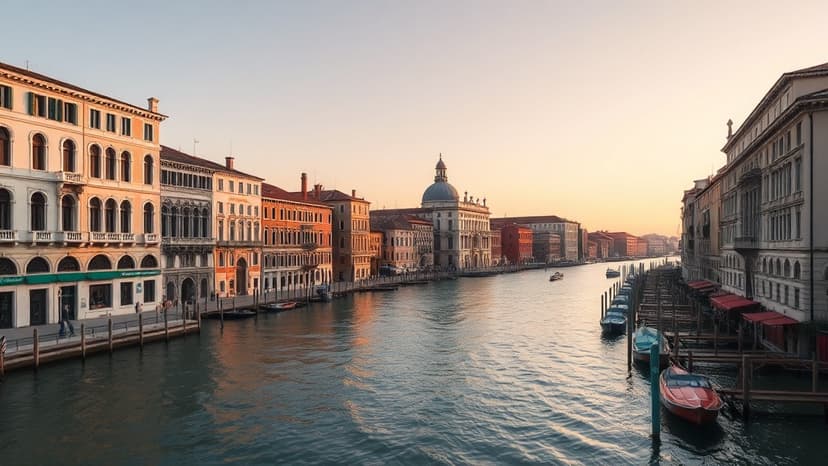
Coastal regions like the Venice lagoon are experiencing increasing soil salinity due to rising sea levels, higher temperatures, and decreased rainfall. This salinisation poses a significant threat to traditional agriculture, which often cannot tolerate salt concentrations exceeding 1.2%. Historically, these areas were fertile, but the changing climate is transforming the land, impacting crop yields and the delicate balance of local ecosystems. This environmental shift is forcing a re-evaluation of agricultural practices.
In response, researchers and environmental scientists are rediscovering and promoting the cultivation of halophytes – plants adapted to thrive in saltwater environments. These often-overlooked species, such as sea fennel, marsh samphire, and monk's beard, are being explored for their edible potential and resilience. Initiatives like The Tidal Garden in Venice aim to integrate these wild herbs back into the local food culture, working with farmers, chefs, and artists to create demand and awareness.
Efforts are underway to incorporate halophytes into both traditional and innovative culinary creations, from pizzas to fine dining dishes and even sorbets. This approach not only provides a sustainable food source for challenging environments but also reconnects communities with their natural heritage. Simultaneously, research institutions like the University of Pisa are investigating intercropping halophytes with conventional crops to improve soil fertility and harvest yields, offering a viable path forward for coastal agriculture worldwide.