Home / Environment / Arctic Sea Ice Decline Imperils Coastal Communities and Traditional Livelihoods
Arctic Sea Ice Decline Imperils Coastal Communities and Traditional Livelihoods
5 Oct
Summary
- Arctic sea ice declining by 50% since 1978, exposing coasts to erosion
- Shorter ice travel seasons disrupt indigenous hunting and access to drinking water
- Climate models predict Arctic could be ice-free in summer within decades
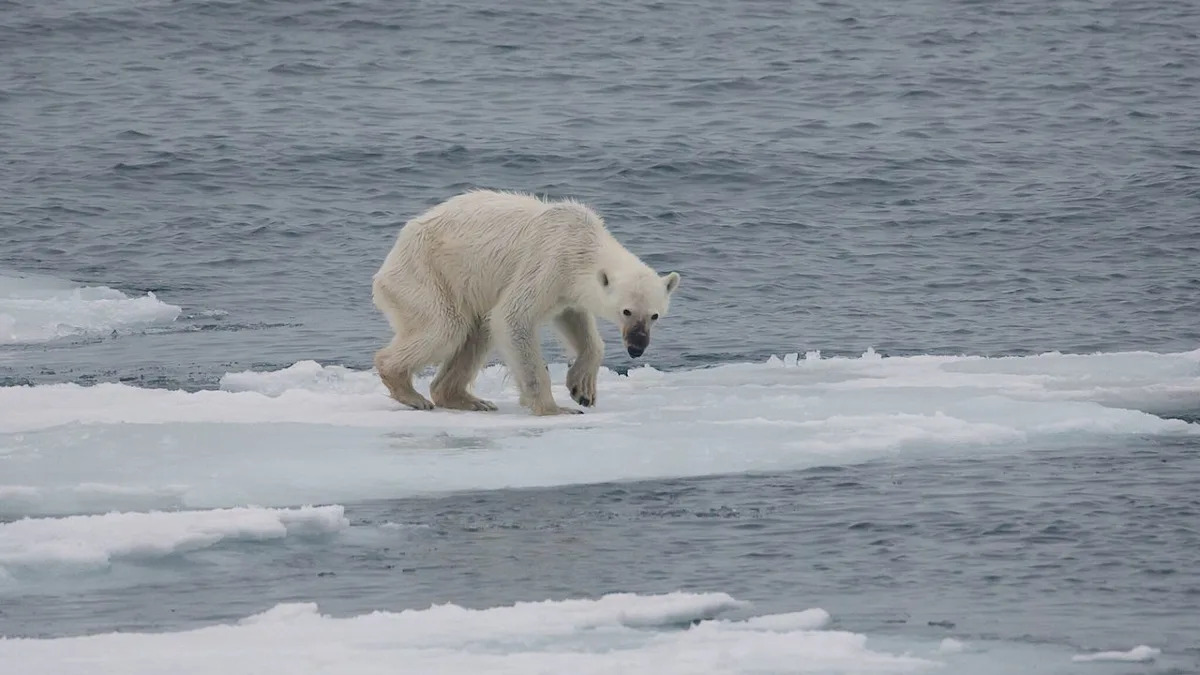
As of October 2025, the Arctic sea ice cover has been steadily declining over the past decades, with far-reaching consequences for the region's coastal communities. Satellite data shows that the late summer sea ice extent has decreased by around 50% since routine observations began in 1978.
This dramatic loss of reflective white sea ice has exposed the darker open water, which absorbs more of the sun's radiation and adds to the overall warming of the Arctic system. Along the Alaskan coast, the decline in sea ice is most apparent in the longer ice-free season, with the ice now forming later in the fall and breaking up earlier in the spring.