feedzop-word-mark-logo
searchLogin
Feedzop
homeFor YouIndiaIndia
You
bookmarksYour BookmarkshashtagYour Topics
Trending
trending

Gold prices reach record highs

trending

Railways plans for pay commission

trending

India vs South Africa live

trending

Heavy rain alert issued

trending

Mahindra XUV 7XO pre-booking

trending

MHADA lottery draw postponed

trending

WBPSC Clerkship Mains admit card

trending

Snapchat woos Indian advertisers

Terms of UsePrivacy PolicyAboutJobsPartner With Us

© 2025 Advergame Technologies Pvt. Ltd. ("ATPL"). Gamezop ® & Quizzop ® are registered trademarks of ATPL.

Gamezop is a plug-and-play gaming platform that any app or website can integrate to bring casual gaming for its users. Gamezop also operates Quizzop, a quizzing platform, that digital products can add as a trivia section.

Over 5,000 products from more than 70 countries have integrated Gamezop and Quizzop. These include Amazon, Samsung Internet, Snap, Tata Play, AccuWeather, Paytm, Gulf News, and Branch.

Games and trivia increase user engagement significantly within all kinds of apps and websites, besides opening a new stream of advertising revenue. Gamezop and Quizzop take 30 minutes to integrate and can be used for free: both by the products integrating them and end users

Increase ad revenue and engagement on your app / website with games, quizzes, astrology, and cricket content. Visit: business.gamezop.com

Property Code: 5571

Home / Environment / Utah Lake: Unsafe for Swimmers, Beware Algae Blooms

Utah Lake: Unsafe for Swimmers, Beware Algae Blooms

15 Dec

•

Summary

  • Utah Lake remains unsafe for swimming due to persistent harmful algae blooms.
  • Algal toxins can cause severe health issues in humans and pets.
  • Monitoring for e.coli and algae risks continues; advisories are issued.
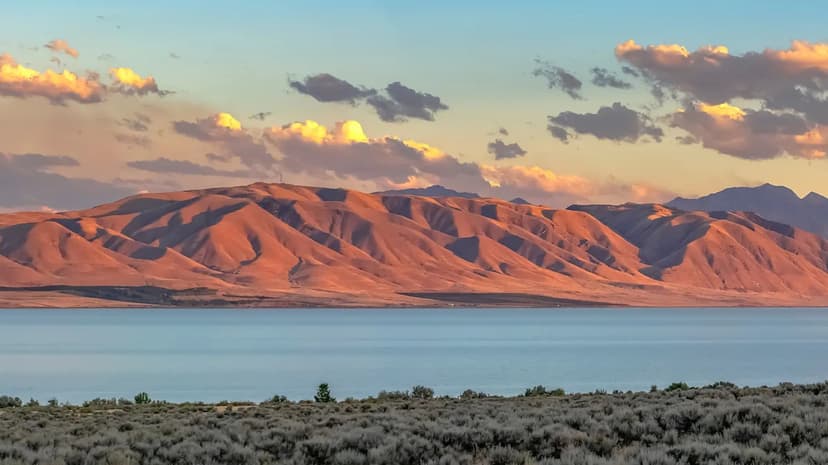
Utah Lake: Unsafe for Swimmers, Beware Algae Blooms

Utah Lake faces persistent challenges from agricultural and industrial pollution, leading to its current reputation as one of America's dirtiest lakes. Recurring harmful algae blooms (HABs) thrive in its shallow, nutrient-rich waters, altering the water's color and releasing toxins dangerous to human and animal health. These toxins can result in various ailments, from rashes and vomiting to more severe conditions.

As of late 2025, state officials, including the Utah Department of Environmental Quality, continue to issue warnings regarding swimming safety. The latest advisories confirm the presence of harmful algae lakewide, posing risks to visitors. While monitoring has been suspended until mid-2026, caution is still advised, with the state's Division of Water Quality collaborating to manage the situation and provide timely health advisories.

Despite the swimming advisories, Utah Lake still offers opportunities for enjoyment through activities like birdwatching, boating, and fishing. However, visitors are strongly urged to avoid swimming or wading and to exercise caution. Even when advisories are lifted, showering afterwards is recommended, and drinking the lake water should always be avoided.

Disclaimer: This story has been auto-aggregated and auto-summarised by a computer program. This story has not been edited or created by the Feedzop team.
No, state officials continue to issue warnings that Utah Lake is not safe for swimming due to harmful algae blooms and potential e.coli risks.
The algae blooms release toxins that can cause health problems like rashes, vomiting, and potentially more severe effects in humans and pets.
Safe activities include birdwatching, boating, and fishing (with proper preparation of fish). Swimming and wading are strongly discouraged.

Read more news on

Environmentside-arrow

You may also like

Catastrophic Floods Grip Washington State

13 Dec • 69 reads

article image

Florida, Georgia, Oregon Air Quality Alert

12 Dec • 22 reads

article image

EPA Rollback Threatens Vital Wetlands

30 Nov • 95 reads

article image

Southern Water Tackles Biobeads Wash-Up Crisis

28 Nov • 117 reads

article image

EPA Proposes Rollback of Wetland Protections

20 Nov • 137 reads

article image