Home / Environment / US Winters Shrink: 9 Days Shorter Since 1970
US Winters Shrink: 9 Days Shorter Since 1970
28 Feb
Summary
- US winters are now nine days shorter on average than in 1970.
- 80% of 195 scrutinized US cities have experienced shorter winters.
- Alaska's Juneau and Anchorage saw the biggest winter day reductions.
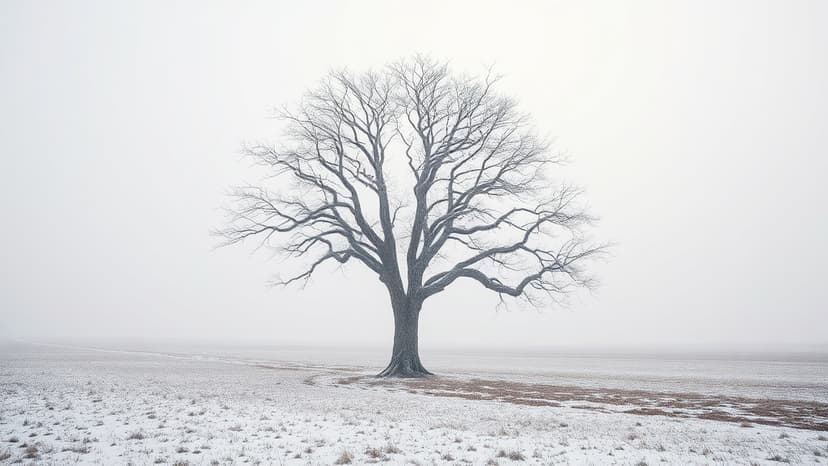
Winters are significantly shorter across the United States, with an average reduction of nine days since the 1970-1997 period. This finding from Climate Central impacts 80% of 195 major cities studied.
Analysis defines winter by the coldest 90 consecutive days, finding these periods now begin later and end earlier. Cities in the Southeast, Northeast, Upper Midwest, and South show the largest decreases in winter days.
Alaska's Juneau and Anchorage have seen the most dramatic shrinking of winter, by 62 and 49 days respectively. Conversely, about 15% of cities, primarily along the California coast and in the Ohio Valley, experienced longer winters.
This trend occurs even as extreme weather events like blizzards persist, highlighting that warmer winters do not preclude intense cold snaps. Climate science suggests increased precipitation intensity with warming.
Warmer, shorter winters have broad consequences, including reduced water supplies and decreased crop yields. The winter recreation industry also faces challenges, with some ski resorts reporting significant drops in visits due to insufficient snow.
Despite clear evidence of global warming, some political figures have used cold weather events to question climate science. However, experts emphasize that localized cold does not negate long-term global warming trends.