

Home / Environment / US Faces Dry Summer, Soaring Wildfire Risk
US Faces Dry Summer, Soaring Wildfire Risk
3 Apr
Summary
- Over 1.6 million acres burned, more than double the 10-year average.
- Extreme heat and dry conditions create 'primed for fire' landscape.
- Drought and reduced snowpack threaten drinking water and agriculture.
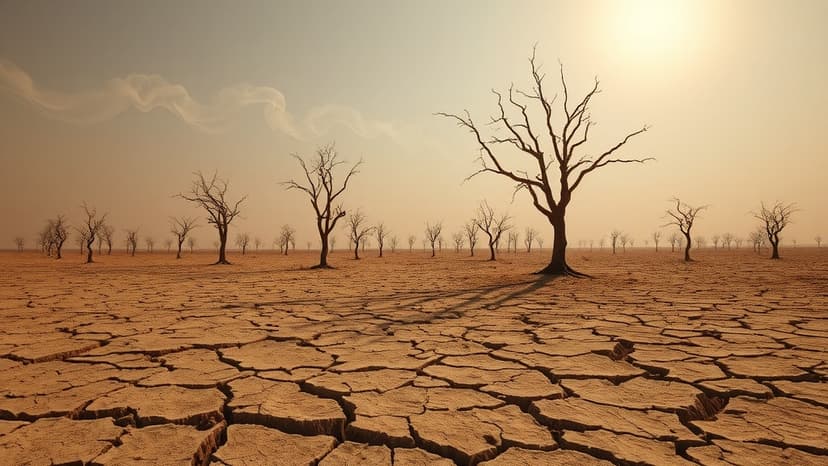
The United States faces a perilous summer with escalating wildfire risks due to record heat and extensive drought conditions. The National Interagency Fire Center reports that over 1.6 million acres have already been consumed by wildfires this year, a figure more than double the 10-year average for this period.
Fueled by extreme heat and dry vegetation, the landscape is described as "primed for fire." Tens of millions of acres are covered in dead or dried plant material, supporting rapid, wind-driven blazes. Several large fires have already occurred, including one in Nebraska that became the state's largest on record.
In the northern Plains, a lack of snowfall since October has created a precarious situation, making the region heavily reliant on a wet spring. Federal weather outlooks predict above-normal temperatures across much of the country, with below-normal precipitation expected in the West and Florida. Fuel moisture levels are trending near record lows in some areas.
Southwestern states like Arizona, New Mexico, Colorado, and Utah are experiencing exceptionally dry conditions, raising concerns about an early and severe fire season. Fire experts attribute the increased activity to climate change, short-term weather patterns, and land management issues, particularly in wildland-urban interface zones.
Beyond immediate fire concerns, the drought poses long-term threats to agriculture, potentially reducing water availability for irrigation and impacting farmers already facing high costs. This dual threat of intense wildfires and agricultural disruption highlights the widespread impact of the current dry conditions.
